Delivering innovation through science, technology & engineering
Technology and engineering solutions for complex industrial challenges
Industrial leaders face pressure to improve performance and resilience while navigating regulatory change, sustainability demands and operational volatility. Yet despite heavy investment in digital tools and new technologies, many struggle to turn innovation into real‑world impact.
The issue is rarely technology, but clarity. Effective innovation starts with clearly defined objectives and works backwards into the science, engineering and digital capabilities required. Sagentia Innovation brings that clarity through four connected propositions: futures and strategy, performance optimisation, applied intelligence and systems assurance.
Turn science and engineering into measurable industrial impact
Four propositions designed to make an impact:
Futures & strategy
Helping leaders anticipate change, set direction and make confident early stage decisions
Future competitiveness depends on investing in the right technologies and platforms. Our approach starts with the outcomes organisations need and works backwards to define feasible, evidence-backed growth strategies and roadmaps. By grounding ambition in technical reality and market insight, we reduce uncertainty and improve innovation impacts.
How we help
Our advisory teams combine deep scientific and engineering understanding with commercial, regulatory and competitive insight. We help organisations focus portfolios, prioritise investment, and back the platforms with the greatest long‑term potential.
Example project types:
- Market, technology and competitor intelligence
- Growth, innovation and portfolio strategy
- Platform propositions and system architecture definition
- Roadmaps for next-generation products and services

Performance optimisation
Engineering measurable improvements to existing systems while managing real world constraints
Industrial systems must deliver higher performance at lower whole‑life cost, without sacrificing reliability or manufacturability. Starting with clear performance targets – such as throughput, efficiency, uptime or sustainability – we translate these into engineered improvements to existing designs delivering measurable gains without compromising practicality.
How we help
Our multidisciplinary engineers span advanced materials, thermal systems, structures, electronics, software and product design. This breadth enables us to improve performance while managing real‑world constraints across economics, durability and production.
Example project types
- Design to cost and design for manufacture
- System and energy performance improvement
- Enhancing product robustness, uptime and durability
- Low carbon design, including materials and efficiency upgrades
Applied intelligence
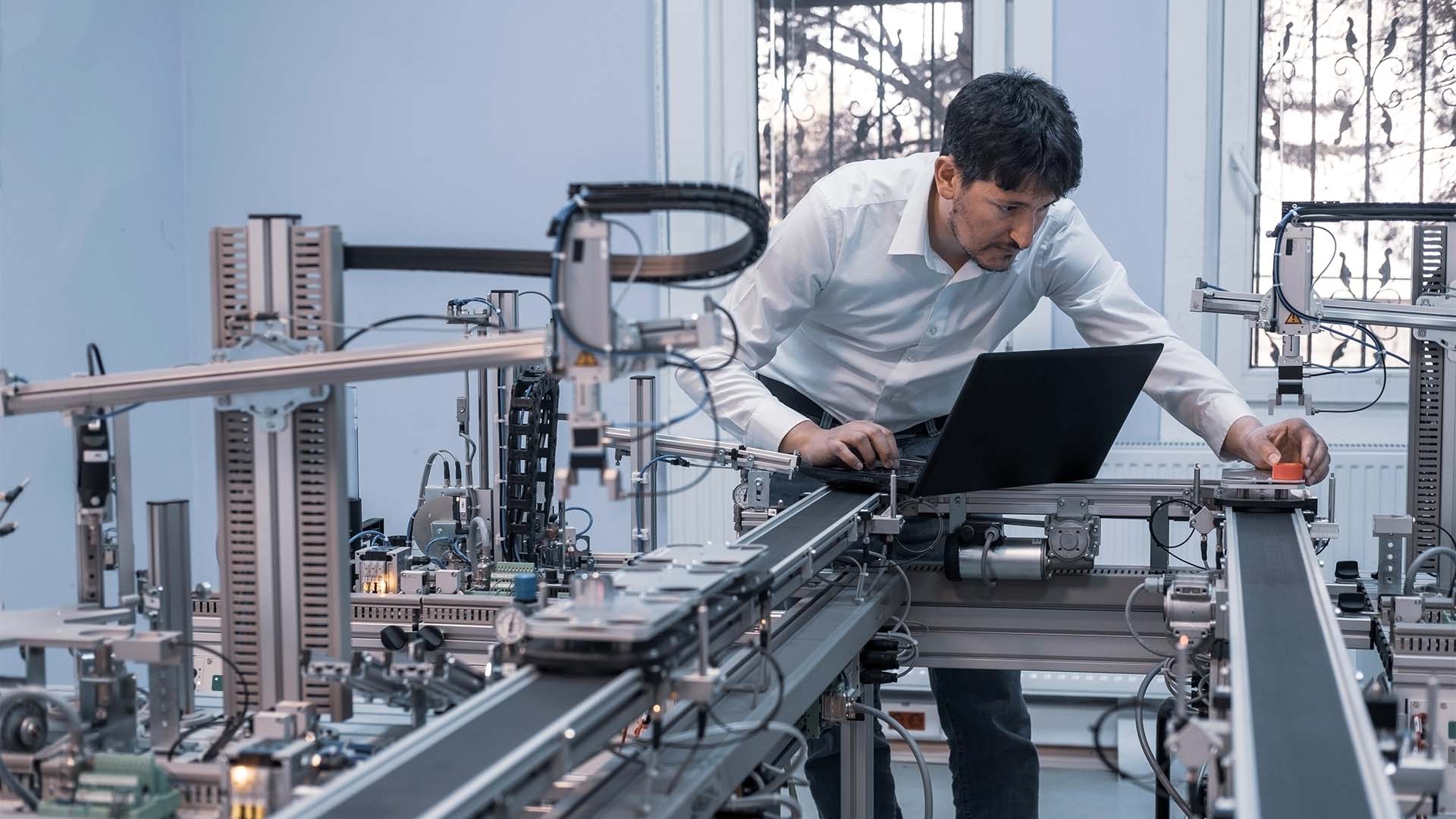
Embedding sensing, control and physical AI that perform reliably at scale
As intelligent systems move from experimentation into core operations, reliability and trust become critical. Our approach focuses on embedding intelligence into products and operations in ways that perform consistently in real-world industrial environments. We work backwards from outcomes such as uptime, safety and efficiency to design sensing, control and data capabilities that operators trust and organisations can deploy with confidence at scale.
How we help
We combine sensing, control, electronics, firmware, connectivity and data engineering expertise with real‑world industrial insight, enabling applied intelligence that is robust, scalable and delivers meaningful operational impact.
Example project types
- Sensor, electronics and connectivity architecture
- Firmware, control systems and embedded intelligence
- Data engineering, analytics and visualisation
- Monitoring platforms and predictive maintenance solutions

Systems assurance
Generating the evidence and assurance required to deploy solutions with confidence in real world conditions
Industrial systems operate in demanding environments and are subject to increasing scrutiny. Our assurance approach grounds innovation in clear, outcome‑led requirements and rigorous scientific evidence – enabling confident decisions and scalable deployment.
How we help
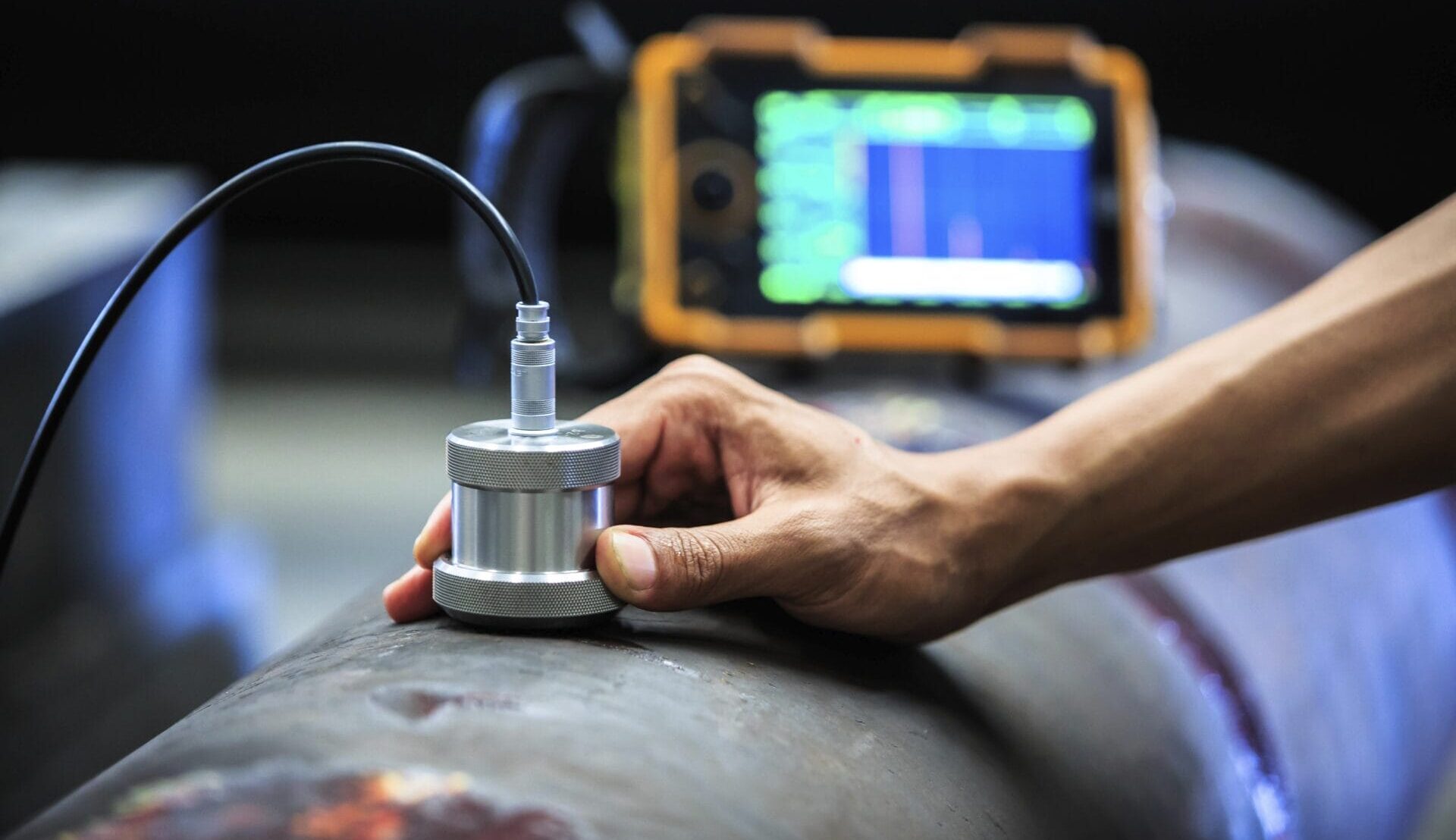
We apply deep scientific capability and rigorous evaluation methods to assess whether systems truly meet their performance, reliability and compliance requirements. Where gaps are identified, we work with clients to resolve them – refining designs, addressing weaknesses and strengthening evidence – so solutions are fit for real‑world deployment.
Example project types
- Requirements definition, test strategy and risk assessment
- Independent design review, verification and improvement
- Environmental, materials and fluid‑systems testing
- Reliability engineering and accelerated ageing

Areas we specialise in:
Water
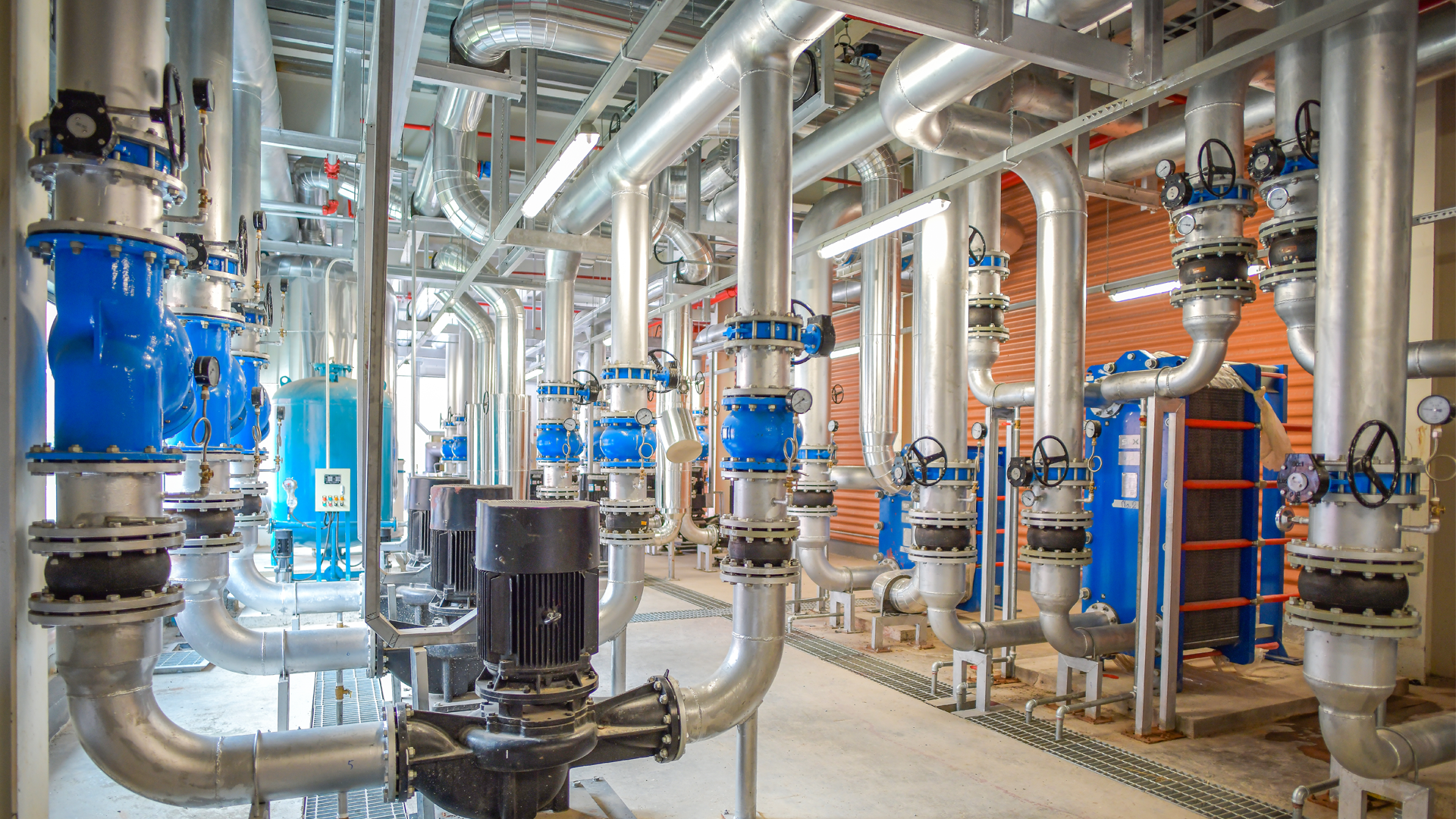
Water systems are under sustained pressure from aging infrastructure, strict environmental regulation and increasing expectations for leakage reduction, energy efficiency and water quality. Utilities, engineering firms and technology providers must deliver solutions that cope with rising demand, climate‑driven variability and digital performance requirements.
- Futures and strategy: Insight into future regulatory and digital models
- Performance optimisation: Energy‑efficient, low‑maintenance designs
- Applied intelligence: Smart sensing, metering and monitoring
- Systems assurance: Compliance readiness and product robustness

Energy
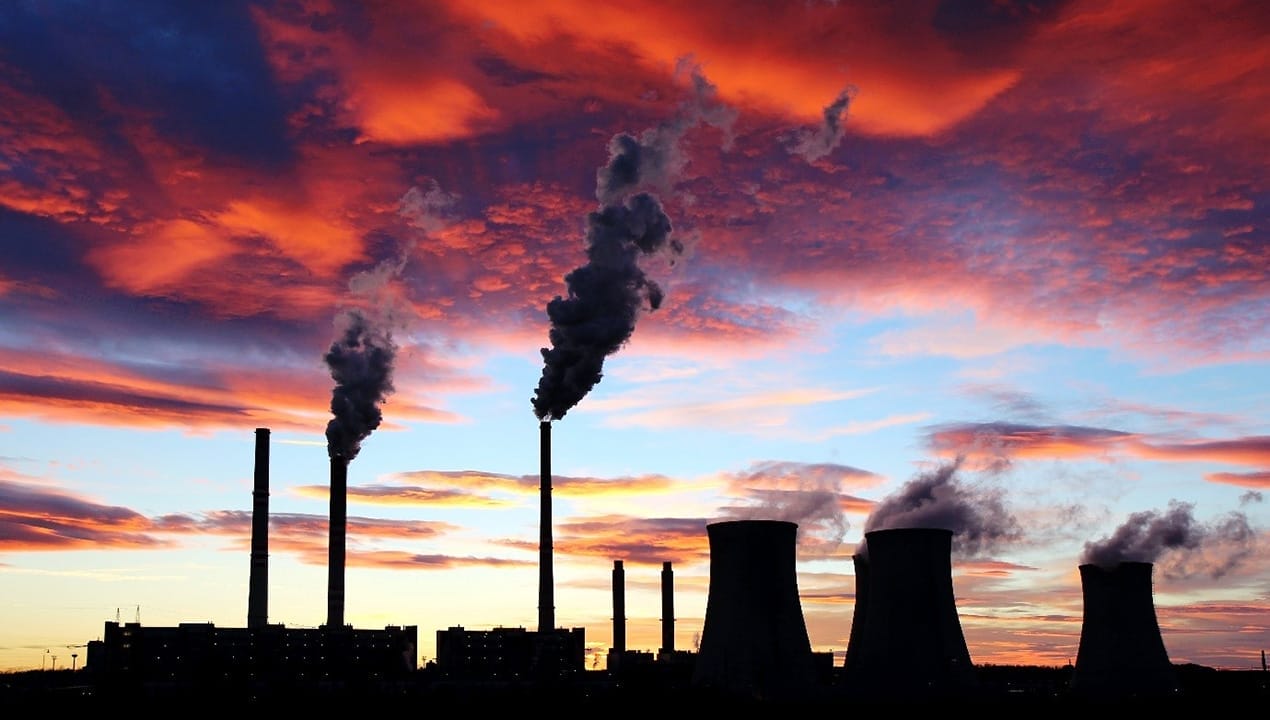
The energy transition is navigating a complex dual track: balancing oil and gas production with a commercially-sensitive move to low carbon technologies. Technology developers, integrators and operators must keep on delivering in a cost optimal manner, ensuring systems remain safe, reliable and efficient across increasingly complex architectures, while meeting tightening emissions expectations.
- Futures and strategy: Insights into key upstream technologies, new energy vectors and long‑term transitions
- Performance optimisation: Performance, cost and carbon improvements
- Applied intelligence: Controls, sensing, digital twins and remote operations
- Systems assurance: Confidence in emerging and safety‑critical technologies

Speciality Chemicals
Specialty chemical production depends on high integrity processes, precise formulation handling and reliable dosing systems. Operators and equipment suppliers face pressures around sustainability, safety, efficiency and automation. The sector also covers formulation and delivery systems used across agriculture, materials, biotechnology and industrial processing.
- Futures and strategy: Low carbon processing, advanced formulation and next generation production systems
- Performance optimisation: Efficiency, waste reduction, energy optimisation and carbon footprint mitigation
- Applied intelligence: Advanced sensing, dosing, instrumentation and process control
- Systems assurance: Engineering for hazardous and corrosive environments
Thermal management technologies and chip cooling
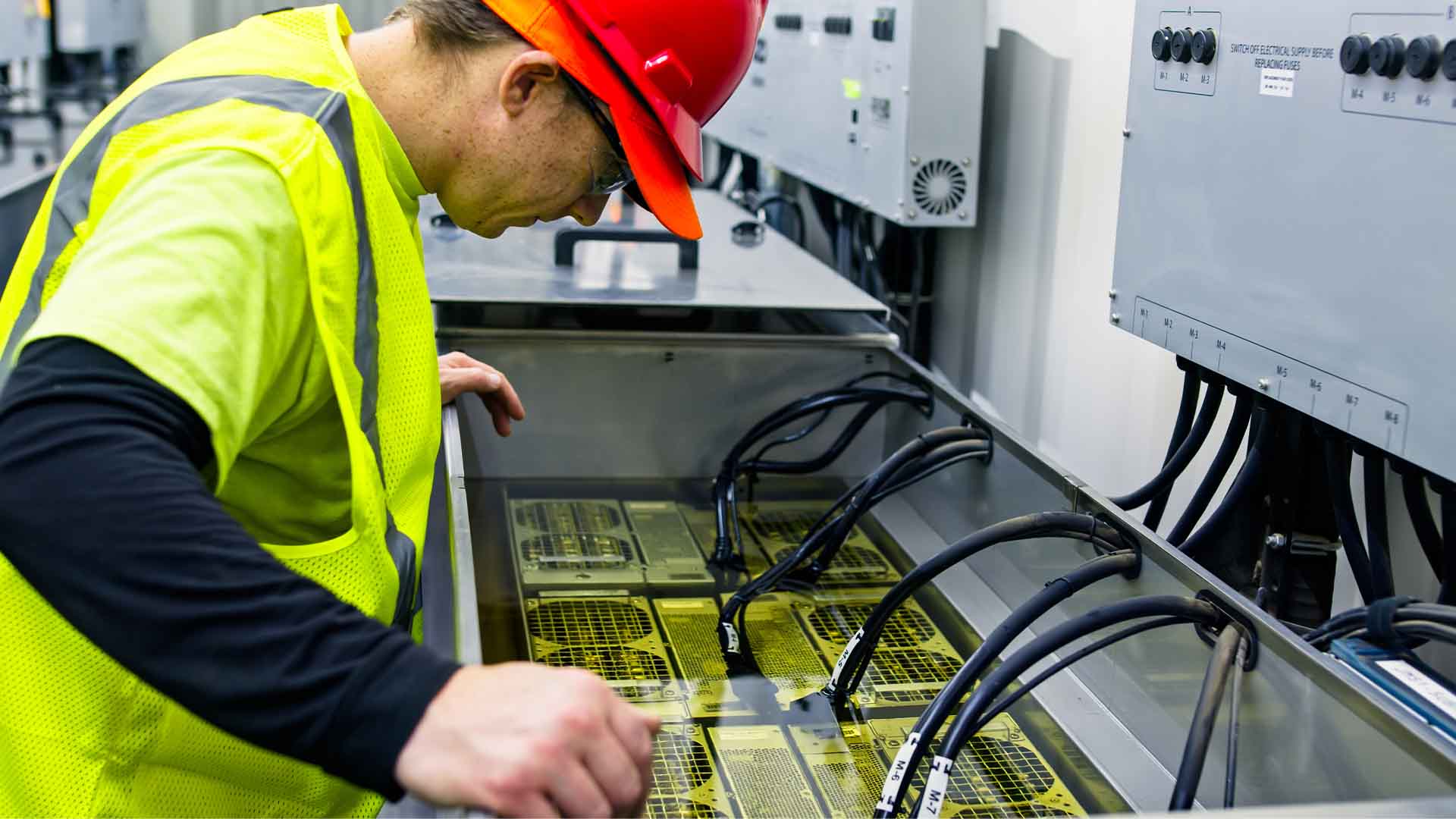
As AI workloads drive rising power densities, data‑centre chip cooling and thermal‑management technologies are being pushed beyond their traditional limits. Developers of cooling systems, fluid‑handling components and thermal materials must deliver new products that operate reliably under continuous, high‑density loads while meeting demanding constraints on efficiency, space, sustainability and cost.
- Futures & strategy: Liquid‑cooling architectures, advanced coolants, materials selection and component roadmaps
- Performance optimisation: Thermal performance, energy efficiency and operational reliability
- Applied intelligence: Smart monitoring and predictive control at component and subsystem level
- Systems assurance: Reliability, safety and materials compatibility
Collaborative networks and joint industry projects (JIPs):
Sagentia Innovation initiates, manages and facilitates a range of collaborative networks and joint industry projects (JIPs) through OTM Networks, addressing diverse challenges and technologies across the energy sector. Some industrial challenges are best solved collectively.
Sagentia Innovation’s OTM Networks team brings companies together to share knowledge, define standards and accelerate safe adoption of new technologies across the energy and industrial ecosystem.
With over twenty years’ experience, OTM Networks helps industry to:
- Address shared technical challenges.
- Develop recommended practices and standards.
- Accelerate uptake of emerging technologies.
- Access specialist technical insight and expert facilitation.
OTM Networks provides a powerful route for clients who want to collaboratively shape industry thinking, influence standards and collaborate on the technologies that define the future.

Frequently Asked Questions in industrial R&D:
How does Sagentia Innovation help industrial companies innovate?
Our approach combines scientific expertise, engineering excellence, and commercial insight to help organisations identify opportunities, develop technologies, optimise products and systems, deploy digital capabilities, and validate performance before market implementation.
How can industrial companies improve system performance and efficiency?
Industrial performance can be improved through engineering optimisation, advanced materials, energy efficiency improvements, design for manufacture, improved durability, and enhanced operational reliability. Sagentia Innovation applies multidisciplinary engineering expertise to deliver measurable performance gains.
What is Applied Intelligence in industrial systems?
Applied Intelligence combines sensing technologies, connected devices, control systems, embedded software, data engineering, analytics, and AI-enabled solutions to improve operational efficiency, reliability, safety, and decision-making within industrial environments.
What is Systems Assurance and why is it important?
Systems Assurance provides independent verification, testing, risk assessment, reliability engineering, compliance support, and performance validation. It helps organisations reduce risk and deploy technologies confidently in real-world operating conditions.
How does Sagentia Innovation support the energy transition?
We work with energy companies, technology developers, and equipment suppliers to improve system performance, support low-carbon technologies, accelerate innovation, enhance safety, and develop solutions that balance economic, operational, and environmental requirements.
What expertise does Sagentia Innovation have in water technologies?
Our teams support water utilities, engineering companies, and technology developers through smart sensing, digital monitoring, energy-efficient system design, leakage reduction technologies, water quality solutions, and regulatory readiness programmes.
How can industrial companies use AI to improve operational performance?
Artificial intelligence can help industrial organisations improve efficiency, reduce downtime, optimise maintenance schedules, enhance quality control and support better operational decision-making. Successful implementation requires more than deploying AI models. It depends on collecting reliable data, integrating sensing technologies, designing robust control systems and ensuring solutions can operate effectively in real-world environments. Sagentia Innovation helps organisations develop and deploy practical AI-enabled solutions that deliver measurable business outcomes.
What are the biggest innovation challenges facing industrial companies today?
Industrial organisations face a range of challenges including increasing operational costs, sustainability pressures, ageing infrastructure, regulatory complexity, workforce shortages and rapidly evolving technologies. Many companies struggle not because technology is unavailable, but because identifying the right innovation priorities and translating them into measurable outcomes can be difficult. Sagentia Innovation helps businesses navigate these challenges through science-led strategy, engineering expertise and technology development.
What is a digital twin and how is it used in industrial operations?
A digital twin is a virtual representation of a physical asset, system or process that uses real-world data to monitor performance, predict behaviour and support operational decision-making. Digital twins can help organisations improve maintenance planning, optimise operations, evaluate system changes and reduce operational risk. Sagentia Innovation develops sensing, control and data engineering solutions that support effective digital twin deployment across industrial environments.
How can manufacturers reduce carbon emissions without compromising performance?
Reducing carbon emissions often requires a combination of energy efficiency improvements, advanced materials, process optimisation, electrification, intelligent controls and product redesign. The most successful approaches balance environmental goals with commercial and operational requirements. Sagentia Innovation helps manufacturers identify practical pathways to reduce emissions while maintaining performance, reliability and cost-effectiveness.
How can predictive maintenance reduce downtime in industrial environments?
Predictive maintenance uses sensors, monitoring technologies, analytics and machine learning to identify potential equipment issues before failures occur. By detecting early warning signs, organisations can plan maintenance activities, reduce unplanned outages, improve asset reliability and extend equipment life. Sagentia Innovation helps companies develop predictive maintenance systems that combine sensing, connectivity and analytics to deliver reliable operational improvements.
How does Sagentia Innovation support specialty chemical companies?
We help specialty chemical organisations optimise processes, improve sustainability, reduce waste, enhance formulation performance, develop advanced production systems, implement automation technologies, and evaluate future market opportunities.
Careers
Join our dynamic consultancy business to work in an exciting science and technology environment with leading global organisations.
Expert insights
Explore our case studies to find out about our exciting work across consumer and industrial and read our latest insights and white papers authored by our industry experts.
Contact us
Contact us today to discuss your R&D challenges and how our team of experts could support you.