Failure analysis of subcutaneous sensor: Ascensia Diabetes Care
Our client asked:
A multifactorial complex issue was encountered on a development program which involved a complex technology that was also new to Ascensia. Given the time urgency and the need for a multi-disciplinary approach, Sagentia Medical was engaged to augment the internal team’s effort.
The project story:
Analysis was done utilising a very pragmatic approach, balancing theoretical modelling and experimental approaches to hone-in on both the root cause and the solution space. Work undertaken involved:
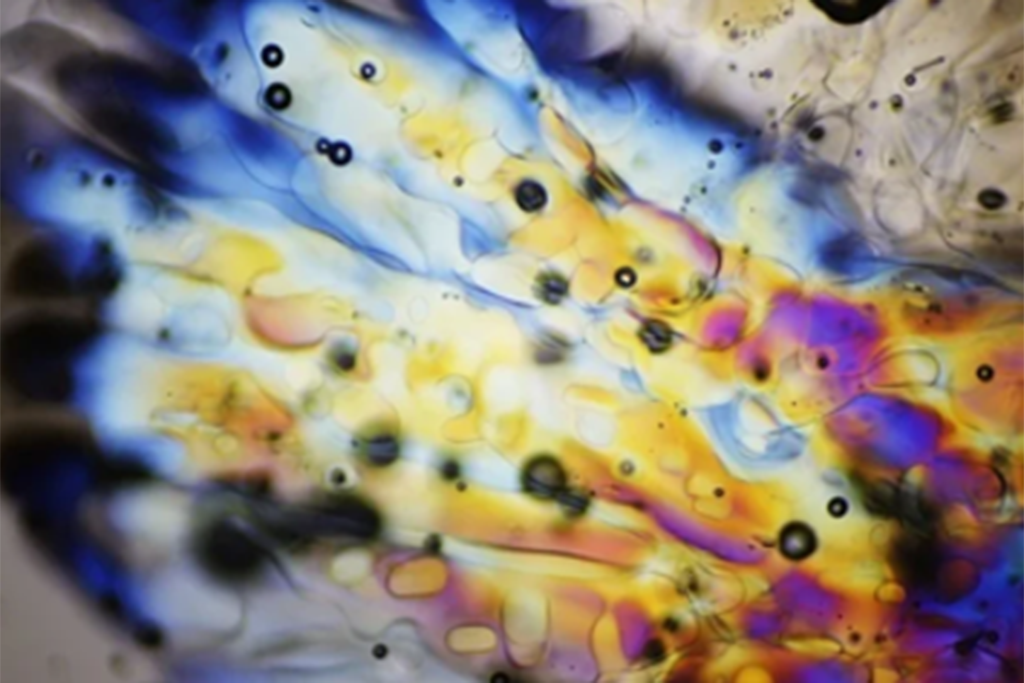
- High quality optical microscopy
- Analysis of the device logging data from the clinical trials
- Development of a simple FEA model
- Development of a model of a failure mechanism which explained the fault detected by considering underlying materials properties under mechanical and chemical actions
- In a second phase, development of a FEA model simulating the whole device and including realistic materials properties
Results: deliverables and outcomes
We identified the cause of the failure our client was experiencing with a subcutaneous sensor in human clinical trials. As a result, our client engaged us in a further piece of work to develop a sophisticated FEA model which could be used as a design tool for further development.
- Identification of root-cause before further, expensive, clinical studies
- Model-based design decisions for further development of the product
“Our experience with Sagentia Medical was very positive. They brought a sense of urgency and a comprehensive technical team to approach a complex issue. The urgency and expertise they applied to the program, while executing in close partnership with our internal team and in a cost-effective manner, was highly effective and appreciated. Given this experience, Sagentia Medical is on my short list for R&D activities where external expertise is necessary to augment our internal team.” Martin Gerber, Global Head of Innovation
Medical markets
Discover our breadth of expertise across the MedTech market and how we collaborate to drive the advancement of medical technology.
Medical services
Find out how our specialist MedTech Ru0026D consulting services can help you transform patient outcomes through innovative medical device development.
Contact us
We’d be delighted to discuss your challenges and explore how innovative thinking could help solve them. If you’d like us to get in touch, please complete the contact us form.