
Delivering innovation through science, technology & engineering
Strategic advisory and product development
Sagentia Innovation delivers strategic advisory and product development services across global consumer goods, food & beverage, energy, chemicals, and industrial sectors.
Solutions to your challenges are delivered by a tailored team of expert consultants who combine deep technical expertise with sharp market intelligence.
Our science-led approach allows us to provide you the most effective solutions that help you achieve desired outcomes, whether it’s to understand a market or technology for strategic decision-making, gain market share through innovation, or fulfil corporate goals such as sustainability targets. Sagentia Innovation will provide you with fresh perspectives and the best advice on new business opportunities.
Contact us today to discuss your R&D challenges and how our team of experts could support you.
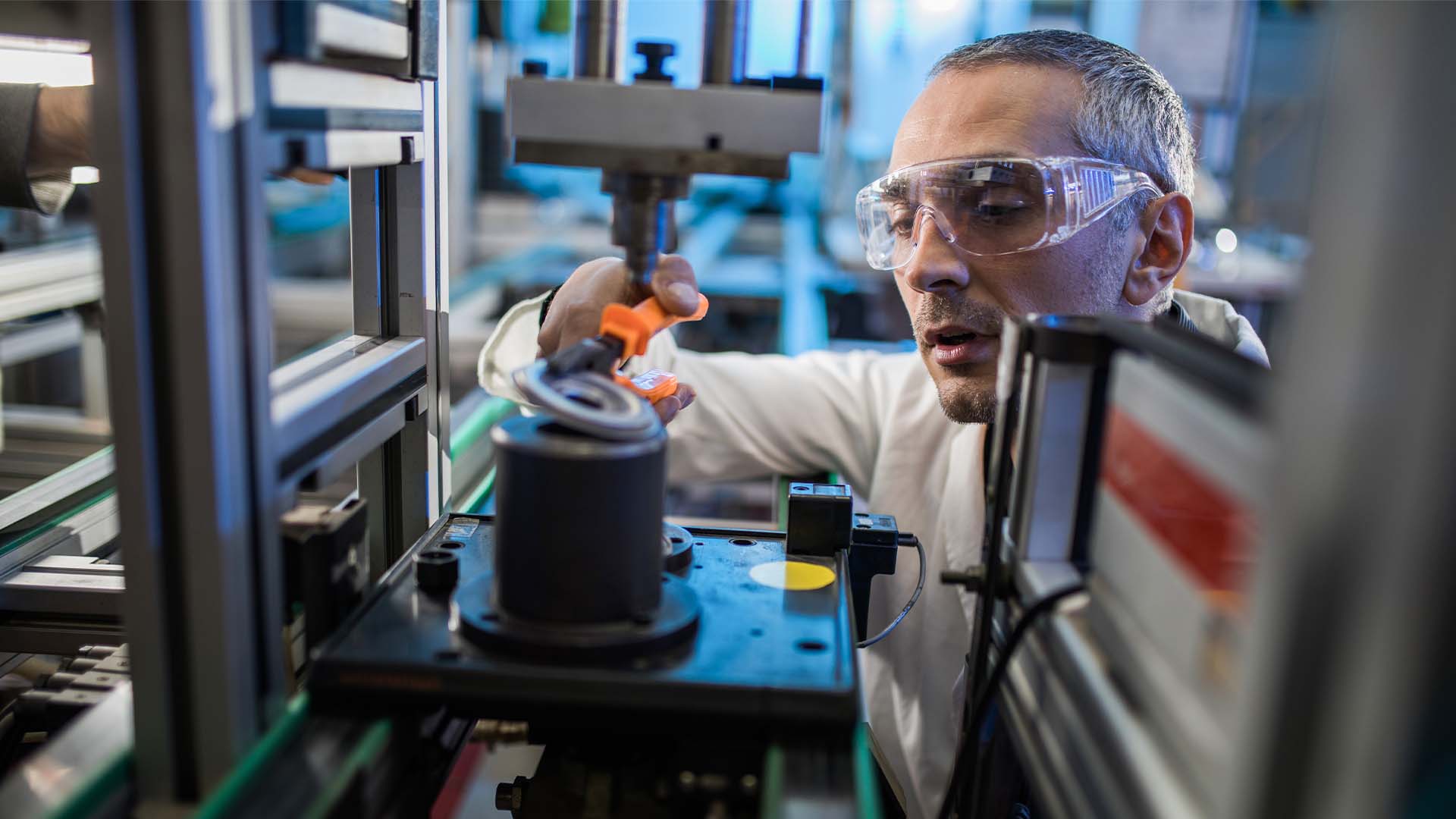

Sagentia Innovation can help you and your business overcome research and development challenges
Sagentia Innovation case studies
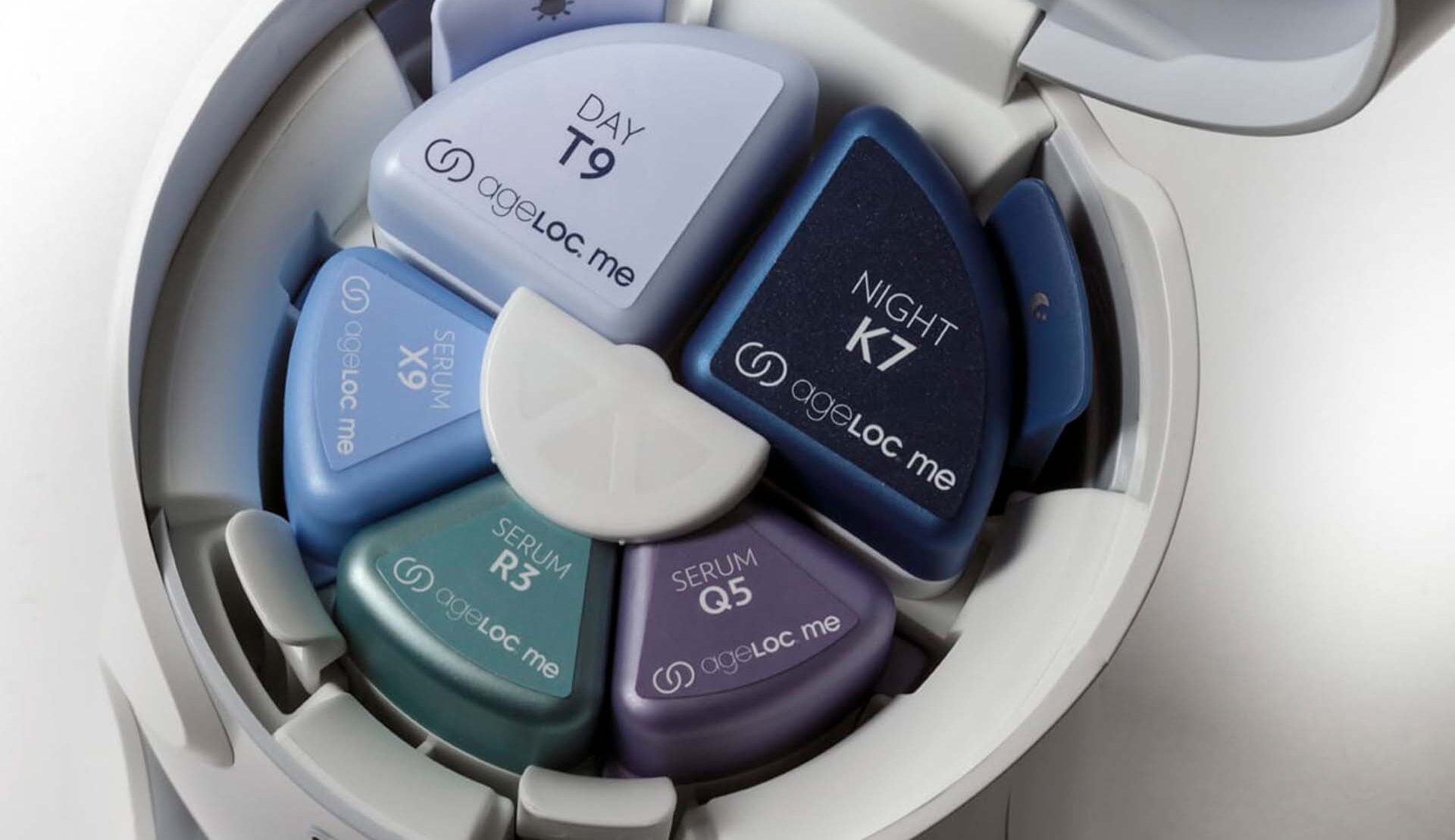



Identifying potential clients for a technology in the biological water treatment space
Why partner with Sagentia Innovation?
- Deep science: Our deep scientific approach sets us apart from generalist consultancies. We start at first principles and are rigorous in our evaluation and analysis. This allows us to take on a level of technical complexity beyond many similar service providers.
- Strategic management and advisory: Our strategic management and advisory skills are unique. We have established methodologies and proven processes that we combine with market intelligence and technical and scientific depth. This delivers clients answers to their business-critical questions to make informed commercial decisions to manage risks within their business.
- IP generated is owned by our clients: We regularly invent novel solutions on our projects and this IP belongs solely to our clients. We don’t have internal projects or other initiatives to divide our consultants’ focus.
- Our team is of the highest calibre: Due to the high quality of our work and our distinguished clients, we attract stellar talent and have a reputation as a premium consultancy. For you, this means working directly with experienced consultants with deep expertise who deliver smart, timely solutions to complex business-critical challenges.
- Multiple practices with diverse service offerings: As part of Sagentia, we have sister consultancy practices, Sagentia Medical, Sagentia Defence, Sagentia Aviation, and Sagentia Regulatory, that extend our expertise, knowledge and service offering.
- Strong financial backing and commercial understanding: Sagentia consulting services are part of Science Group plc and have strong financial backing. Through Science Group’s product and systems businesses, we understand the reality of manufacturing and selling products.
What our clients say
Frequently asked questions about innovation, R&D and product development
What is science-led innovation?
Science-led innovation begins with a deep understanding of scientific principles and emerging research to identify new opportunities for growth. Rather than focusing solely on market trends, it combines scientific evidence, technical feasibility and commercial considerations to develop products and services with a stronger foundation for long-term success.
What are the biggest challenges when developing technology-based innovations?
Common challenges include technical uncertainty, integration complexity, regulatory requirements, changing customer needs and commercialisation risk. Addressing these challenges often requires multidisciplinary expertise spanning science, engineering, market insight and product development.
How does Sagentia Innovation reduce risk in R&D programmes?
Sagentia Innovation helps reduce risk through structured research, technical feasibility assessments, market analysis, prototyping and evidence-based decision-making. By testing assumptions early and identifying potential barriers before significant investment is made, organisations can improve confidence in development decisions and allocate resources more effectively.
What is the difference between innovation strategy and product development?
Innovation strategy focuses on identifying future growth opportunities, prioritising investments and aligning innovation activities with business objectives. Product development turns those opportunities into tangible solutions through research, design, engineering, testing and validation. Successful innovation typically requires both strategic direction and effective execution.
How can innovation consulting help businesses achieve growth?
Innovation consulting helps organisations translate emerging opportunities into commercially viable outcomes. This may include identifying unmet customer needs, evaluating new technologies, developing differentiated products, improving R&D performance and creating innovation roadmaps. The goal is to support sustainable growth through evidence-based innovation decisions and effective execution.
What role do science and engineering play in innovation?
Science and engineering provide the foundation for developing innovative products, technologies and processes. Scientific insight helps organisations understand underlying mechanisms, while engineering expertise translates concepts into practical, scalable solutions. Combining both disciplines supports innovation that is technically robust and commercially relevant.
How do you measure the success of innovation projects?
Innovation success is typically assessed against predefined business and technical objectives. Common measures include time-to-market, development efficiency, technical performance, regulatory progress, commercial potential, revenue growth and return on investment. The most effective metrics reflect both the strategic goals and practical outcomes of the innovation programme.
What does a successful innovation process look like?
A successful innovation process typically combines opportunity identification, customer and market insight, scientific and technical evaluation, concept development, prototyping, testing and commercial planning. While every programme differs, a structured approach helps organisations balance creativity with evidence, reducing uncertainty and improving the likelihood of successful outcomes.
How can emerging technologies create competitive advantage?
Emerging technologies can enable new products, improve operational efficiency, unlock novel customer experiences and create differentiated market positions. However, successful adoption requires careful assessment of technical maturity, commercial potential, implementation challenges and alignment with strategic objectives.
How do organisations evaluate whether a new technology is worth pursuing?
Technology assessment typically considers technical feasibility, market demand, intellectual property, regulatory requirements, development costs and potential return on investment. A structured evaluation process helps organisations prioritise opportunities and allocate resources effectively.
Careers
Join our dynamic consultancy business to work in an exciting science and technology environment with leading global organisations.
Expert insights
Explore our case studies to find out about our exciting work across consumer and industrial and read our latest insights and white papers authored by our industry experts.
Locations
Sagentia has numerous offices throughout the UK, Europe and North America.