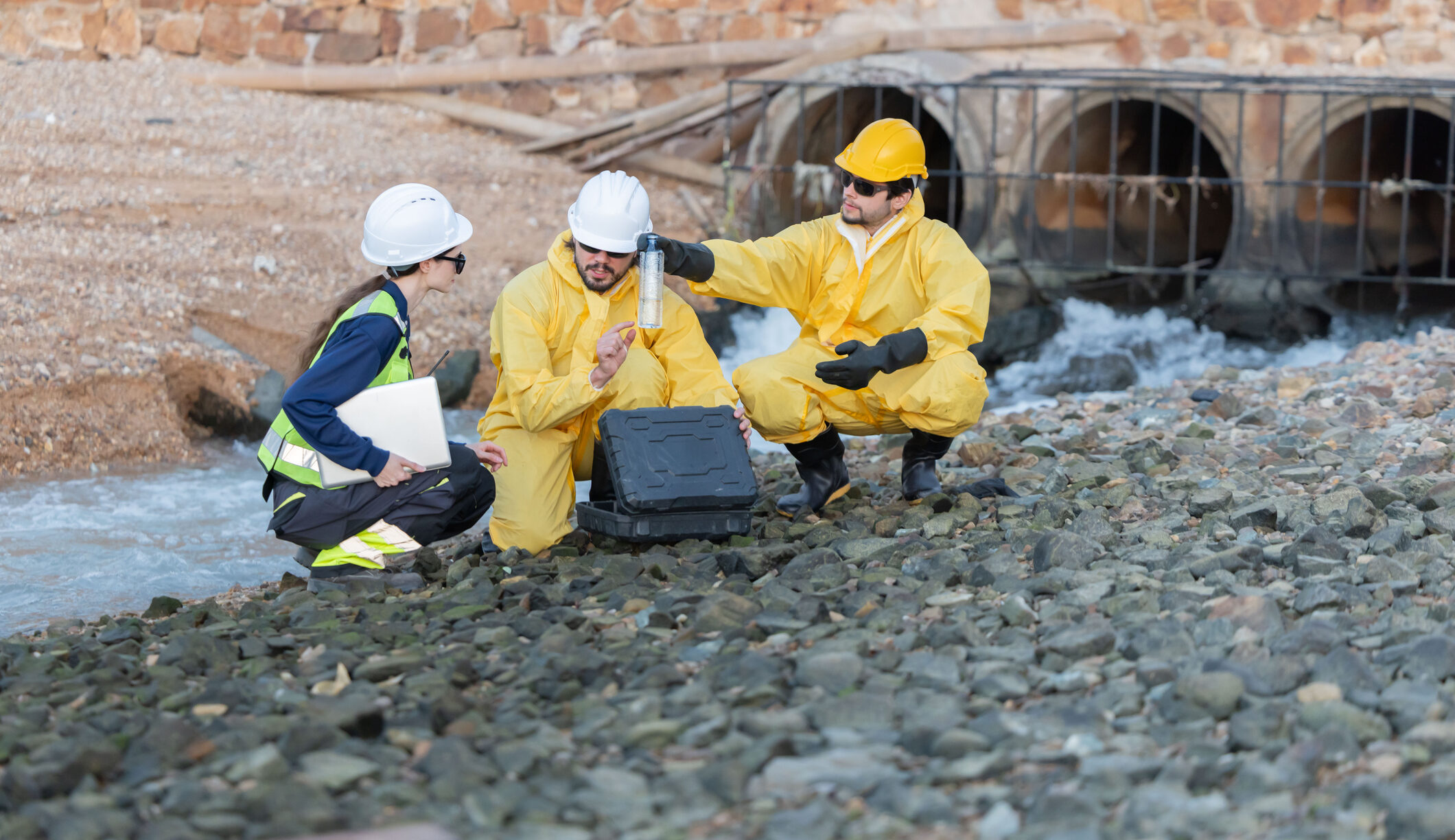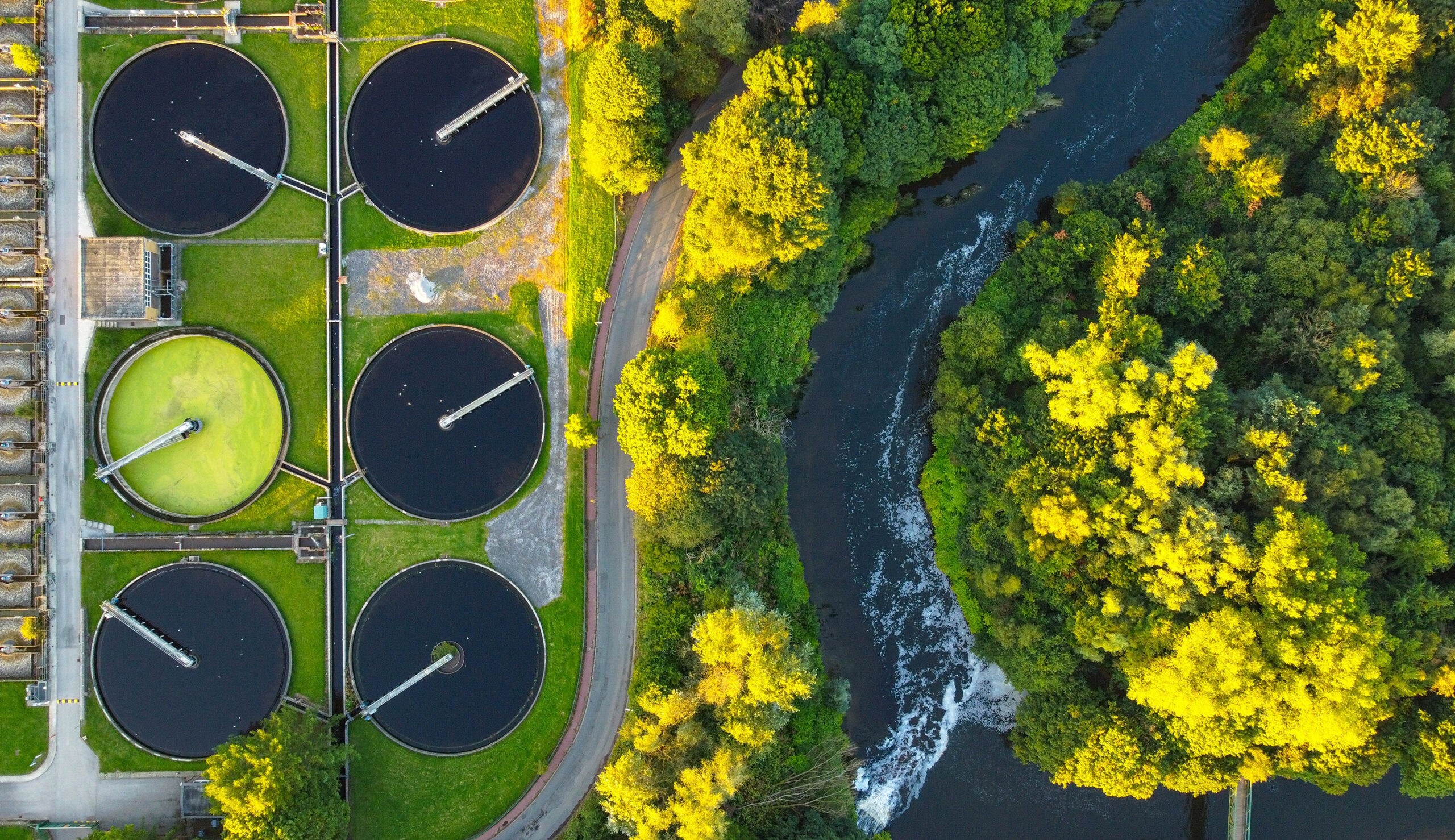
Regulators around the world are rapidly introducing legislation and standards which restrict PFAS use, lower the concentrations allowed in drinking water, and control permitted levels in industry effluents.
This brings significant implications for water-intensive and fluid handling industries that directly or indirectly use PFAS. Effluent or wastewater generated by core processes may contain PFAS, but identifying and detecting the compounds is not straightforward. Water companies, and industries dependent on PFAS-free sources of water, also face increasingly stringent challenges around the measurement and control of PFAS concentrations.
While some industry leaders have forged ahead with projects focused on addressing their PFAS problems, many are still in limbo, unsure how to proceed. This is not helped by the vastness and complexity of the PFAS issue and the evolving nature of the regulatory landscape. But analysis-paralysis needs to be overcome swiftly, since some problems will take years to resolve.
Wherever you are on the PFAS management journey, this whitepaper will help you determine the best way forward.