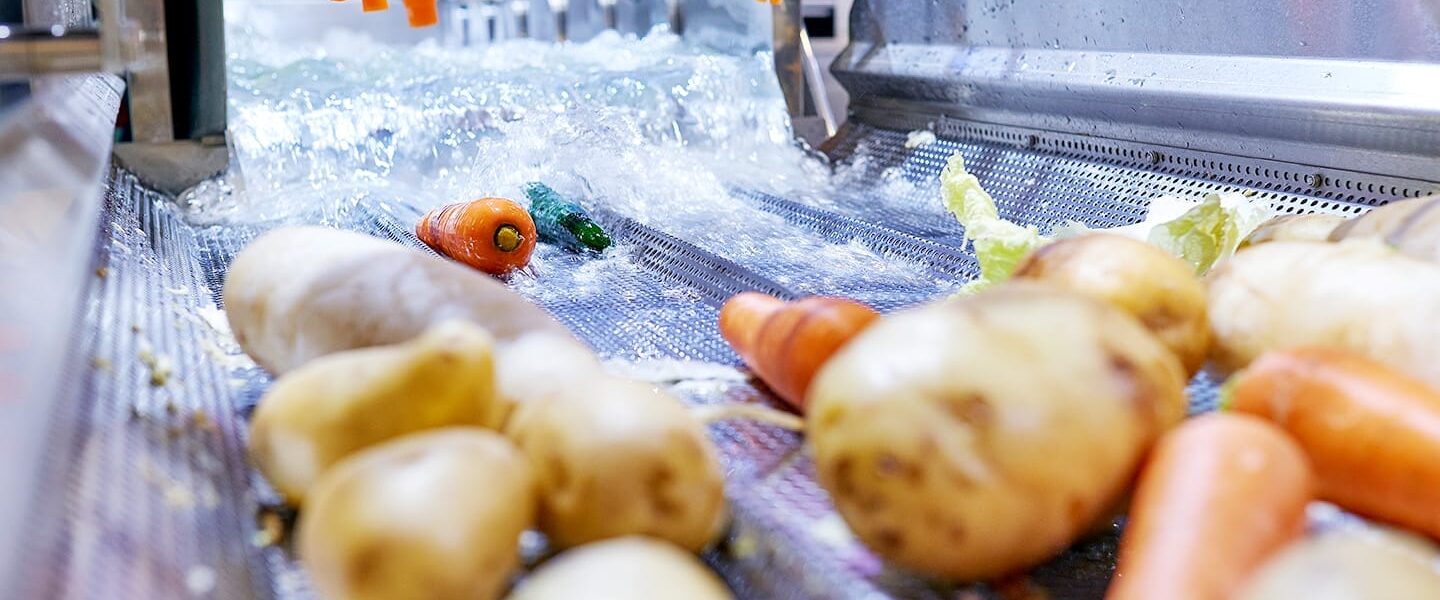
France has recently published a Decree on using recycled water in the preparation, processing and storage of food. The decree defines the conditions required and specifies the categories of possible uses as well as the monitoring procedures to put in place to ensure compatibility with food safety requirements. If an FBO decides to use recycled water, it must declare it to the authority; and if any treatment is intended to be carried out on the recycled water, pre-authorisation is required.
This highlights the trend towards water conservation, and adopting a ‘fit for purpose’ approach. It sets a precedent for other countries to address water overuse, leading to water stress within the food and beverage industry, as highlighted by WRAP and WWF. “Without water, there is no food”, making it imperative to identify “water risk hotspots” as the way forward.
The Codex Alimentarius Commission (CAC) has been diligently addressing this important issue. Soon, manufacturers can adopt a new risk assessment method – ‘fit for purpose’ approach – for safe water use in food contact applications, following CAC guidelines. This approach empowers food businesses to reevaluate water usage in their facilities, understand water systems, and be more resourceful. It involves assessing water hazards, including water source and end-use of the food product, distinguishing from ‘clean’ or ‘potable’ water where not all factors need consideration.
Following this development, we anticipate updates in water reuse guidelines for fishery and dairy products, which are still in the early stages of development and yet to be adopted.