
Navigating shrinkflation labelling rules across Europe
March 31, 2026
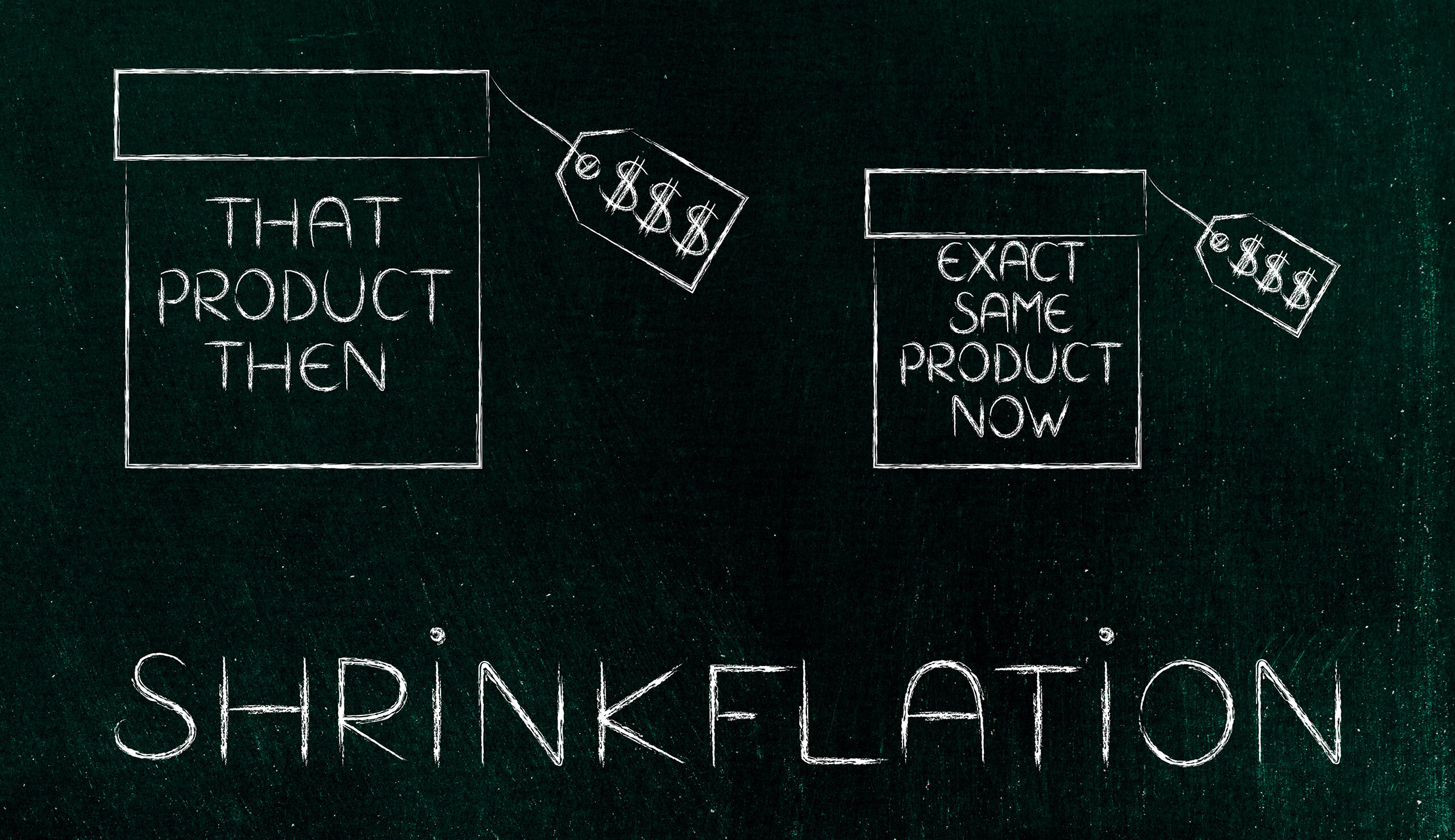
Shrinkflation has become a major point of regulatory and consumer interest across Europe. As manufacturers adjust pack sizes in response to rising input costs, governments are seeking greater transparency to ensure consumers remain well‑informed. Austria and France have both introduced national rules requiring clear disclosure when product quantities are reduced. Belgium has explored similar measures, although proposed legislation has not moved forward.
Here, Leatherhead’s regulatory experts provide an overview of the current landscape in some European markets and what food and drink businesses can do to maintain compliance when operating across these markets.
Austria: mandatory notices from April 2026
Austria has adopted the Anti‑Deceptive Packaging Act (Anti‑Mogelpackungs‑Gesetz), introducing explicit requirements for shrinkflation labelling. The law completed its EU notification process and enters into force on 1 April 2026, remaining valid until 30 June 2030.
The obligation applies to stationary food and drugstore retailers with either more than 400 m² of sales area or more than five branches. It covers pre‑packaged goods subject to unit‑price display rules, excluding distance selling.
A notice is required when a product’s quantity is reduced without a corresponding price decrease, resulting in a unit‑price rise of more than 3%, unless the manufacturer already clearly indicates the change on the packaging. Retailers must display a standardised statement such as “Achtung: Weniger Inhalt – höherer Preis” on‑pack (English: “Attention: Less content – higher price”), on‑shelf or via signage. This must remain visible for 60 days from the date the new pack size is first sold. Non‑compliance may lead to administrative penalties.
France: nationwide disclosure rules since July 2024
France introduced similar transparency measures through its order of 16 April 2024, applicable from 1 July 2024. The rules apply to large food‑dominant retailers with a sales area of more than 400 m² and covers prepacked food and non‑food products sold in fixed quantities. Variable‑weight and loose items are excluded.
Retailers must provide a clear and standardised statement indicating:
- The previous quantity
- The new quantity
- The absolute or percentage increase in unit price
The notice must be positioned on or near the product and displayed for two months from the product’s placement on shelves. Breaches may result in administrative fines of up to €3,000 for individuals and €15,000 for legal entities.
These measures require retailers to implement structured monitoring processes for product size changes, but they also create indirect implications for manufacturers supplying private label or branded goods into the French market.
Belgium: no mandatory rules but continued scrutiny
Belgium has debated shrinkflation legislation extensively, but no binding measure has been adopted. Two initial legislative proposals (55K3610 and 55K3612), introduced in October 2023, lapsed in May 2024. A more recent attempt (56K0251) was rejected in committee in May 2025 after multiple rounds of discussion and amendments.
As a result, Belgium currently relies on general consumer protection law and voluntary retailer or manufacturer disclosure, rather than mandatory shrinkflation warnings. Despite the absence of specific regulation, the political and consumer interest surrounding the topic remains high, and businesses operating in Belgium may wish to consider proactive transparency measures to maintain trust.
What food and drink businesses can do
While Austria and France place obligations primarily on retailers, manufacturers and brand owners distributing across multiple EU markets should prepare for a heightened level of scrutiny concerning pack changes. Practical steps may include:
- Documenting quantity changes – Maintaining internal records of pack size adjustments, including justification and timing, will support retailer communication and reduce the risk of inconsistent application of shrinkflation notices.
- Reviewing packaging communication – Clear and visible on‑pack statements about content changes may help retailers meet their obligations and reduce the likelihood of additional in‑store warnings.
- Coordinating with retail partners early – Retailers in France and Austria may request advance notification of pack size reductions. Establishing a structured communication pathway can help avoid delays or compliance issues at product launch.
- Monitoring evolving national approaches – Although Belgium has not adopted mandatory requirements, the topic continues to attract political attention across Europe. Businesses may benefit from tracking emerging national measures to ensure future readiness.
How Leatherhead Food Research can help
Understanding and navigating differing national requirements on shrinkflation can be challenging for businesses operating in multiple markets. Leatherhead Food Research’s regulatory and scientific affairs experts can help you assess the impact of these rules on your product portfolio, review packaging and labelling strategies, and support your communication with retailers.
Read our latest blogs

March 13, 2026
Converging nutrition control across the Americas through a focus on ultra processed foods

February 2, 2026
Kenya’s Nutrient Profile Model: Regulatory implications for food and drink businesses