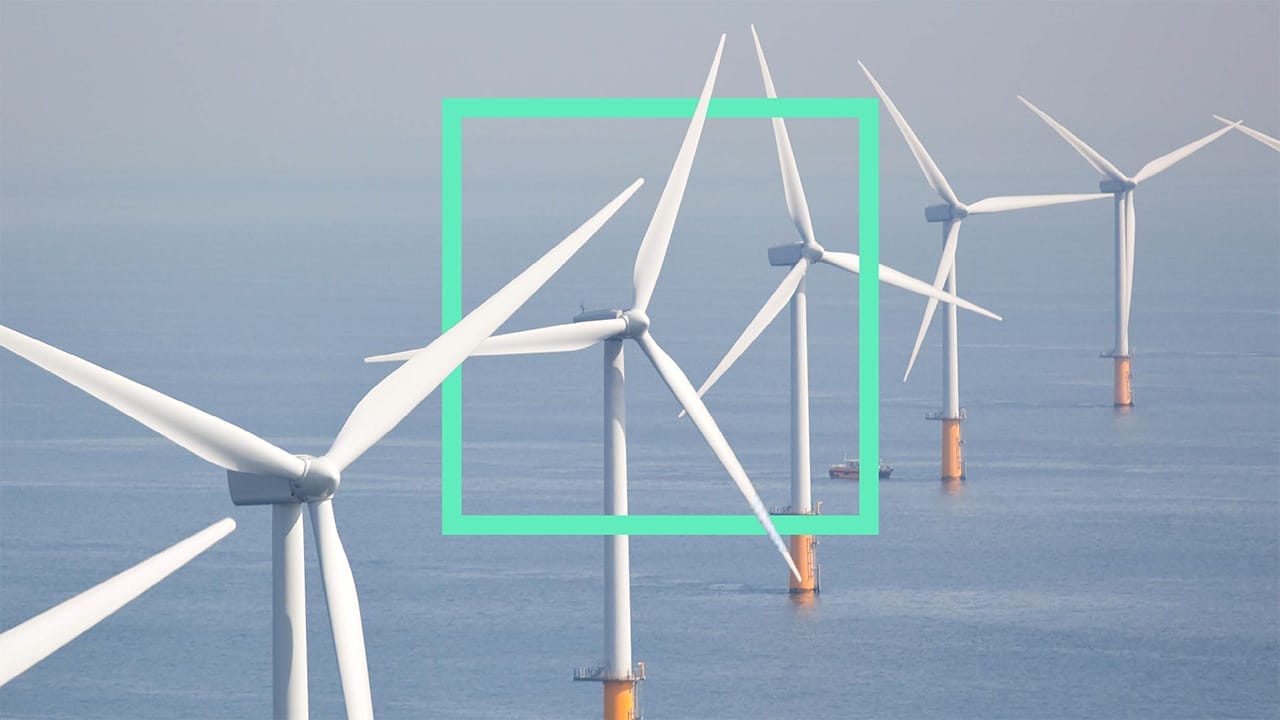
It’s widely acknowledged that floating offshore wind installations could play a critical role in the energy transition. However, obstacles must be overcome before this aspect of wind power can reach its full potential.
Here, we identify major challenges and suggest how they might be resolved through innovative approaches and cross-sector learning. Five factors are covered: technical issues, industrialisation and supply chain, operations and maintenance, end-of-life, and asset management. They all impact the Levelized Cost of Energy (LCOE), or the price at which energy must be sold for a system to break even at the end of its lifetime. The cumulative benefits of addressing individual challenges could accelerate the maturation of floating offshore wind, aiding its transition to viable large-scale solutions.
Financial predictions for offshore wind energy over the next decade make it an attractive prospect for innovation and investment. Global market size is projected to reach USD 31.4 billion by 2032 (up from USD 5.78 billion in 2022). Floating offshore wind is an emerging subcategory within this expanding market. It’s attracting a high level of interest due to its ability to harness untapped offshore wind energy from deep waters…