At World Water-Tech 2026, the consensus was clear: the water sector faces accelerating pressures and needs to move quickly to address them. For OEMs, the winners will design products and digital solutions that: (1) turn data into operator decisions, (2) scale reliably across fleets and sites, (3) thrive within partnership ecosystems.

World Water‑Tech 2026:
3 things the water sector must do to have innovation impact
Urgency and opportunity
Utilities, regulators, investors, R&D organisations and technology providers convened in London for World Water-Tech 2026 at a pivotal moment. Historically slow to innovate, the sector now faces compounding pressures:
- Climate extremes: drought and severe flooding/storms (Portugal has experienced both over the last four years).
- PFAS: rising awareness and regulatory momentum (e.g., EU Drinking Water Directive PFAS limits now in force; US National Primary Drinking Water Regulations on the way).
- Public scrutiny: intense focus on leakage, wastewater management and sewage discharges; one non‑UK utility cited leakage as high as 40%.
- Demand growth: population, agriculture, hydrogen production, and data centres increasing total system demand (the Environment Agency estimates an extra 5 billion litres/day will be required by 2050 in the UK.
- Net zero: emissions cuts remain difficult across treatment and networks.
- Skills shortage: critical capability gaps looming with up to 50% of the workforce over 50 in some areas.
Momentum is building: central banks are stress‑testing water risk; corporates are elevating water as a business risk; and in the UK, the Government’s ‘A New Vision for Water’ sets a reform path intended to improve long‑term stability [2]. Investment will follow solutions that move quickly from pilot to scale. To capitalise on this momentum OEM’s must:
1) Turn data into operator decisions
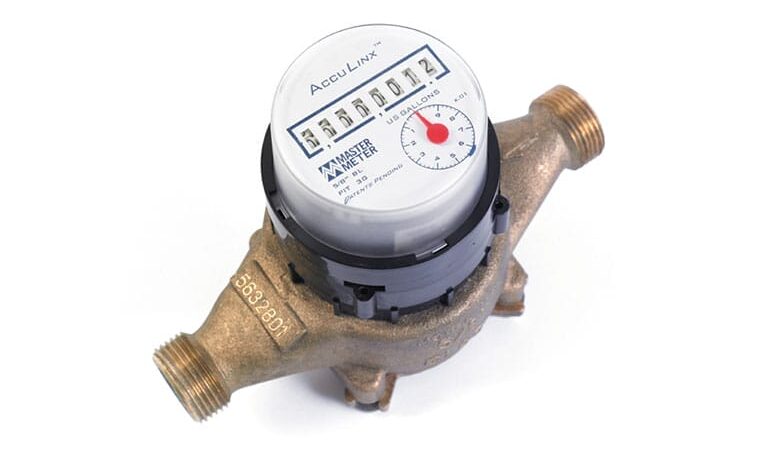
We’re “data rich but information poor”. Meters, sensors, and plants generate vast data, but frontline teams need actionable decisions, not more dashboards. Smart meters illustrate the gap—valuable for leak detection and loss reduction, yet often used only for billing.
OEMs should:
- Design for minimum viable data to get maximum insight. Focus models on the smallest data set that confidently drives an operational action.
- Be transparent and trustworthy. Provide interpretable recommendations and rationale to gain trust with operators and drive usage. This can be particularly important where AI is in the loop.
- Build UX with the operator, not for the operator. Co‑design with end‑users considering their needs; avoid dense dashboards that trigger decision paralysis.
- Instrument for outcomes, not just outputs. Align features to measurable KPIs: leak find‑to‑fix time, NRW reduction, energy savings, compliance events avoided, alarm fatigue reduction etc.
- Close the loop. Log decisions, outcomes, and model feedback to continuously improve sensitivity/specificity and reduce false positives.
2) Engineer for scale from day one
The problems (leakage, discharges, PFAS) are system‑wide. Solutions that can’t replicate across fleets/sites quickly won’t move the needle.
OEMs should:
- Use open, modular, interoperable architectures. Use open standards and APIs; decouple data, models, UI, and field devices to support different plant contexts and legacy assets. This is crucial for digital twins.
- Design for replication. Target standardised skids, control strategies, and commissioning playbooks that minimise site‑specific customisation where possible.
- Ensure reliability, safety, and cybersecurity. Identify and build in appropriate controls through risk management, demonstrate robustness to operating environments and implement secure-by-design security practices to provide confidence to decision makers.
- Parallel commercialisation. Engage buyers and procurement frameworks while maturing TRLs—validate lifetime cost, serviceability, spares strategy and training packages to de‑risk adoption and shorten sales cycles.
- Consider range of buyers. Consider the environments in which the solution can be applied and design for maximum deployment across applications and locations.
3) Build partnership ecosystems to deliver holistic outcomes
Water is a shared resource problem; no single actor can solve shortages, net zero, or climate resilience alone.
Partnership eco-systems will need to span many levels:
- Between water providers. Fragmentation hampers planning and efficiency (e.g., California’s 7,000+ water systems). Open innovation models reduce duplicative effort and allow providers to learn from each other’s mistakes; organisations like Spring Innovation facilitate this [3].
- Drinking water + wastewater. Reuse loops can cut energy and cost: in some contexts, treated effluent surpasses river water quality. Redirecting to treatment or elevating to potable standards reduces duplication of effort providing rate‑payer value. Belgium’s WPC Hofstade shows potable reuse at plant scale [4].
- With industry. High‑consumption sectors must improve efficiency and stewardship, using aligned methods like WRI’s Volumetric Water Benefit Accounting to benchmark and mobilise collective action [5]. Industries capable of using alternative water qualities (e.g., agriculture) or with pre‑treatment (e.g., data centres, pharma) can reuse directly from wastewater plants, easing potable loads. PFAS prevention at source demands upstream collaboration.
OEMs should:
- Engage with water providers. Work with providers from the beginning to address their specific challenges, gain their buy-in and prove outcomes.
- Co‑sell with integrators and utilities. Offer outcome‑based packages (e.g. NRW or energy consumption reduction as a service) to increase attractiveness.
- Shape standards and recommended practices. Work with other stakeholders to drive down adoption risk and speed sector‑wide uptake.
- Collaborate with other industries. Work with major players in other sectors to understand needs and potential applications of existing solutions.
How Sagentia Innovation can help:
Sagentia Innovation helps water OEMs turn product and digital innovation into operational outcomes. We clarify user needs, run usability studies, and design intuitive, explainable UX. We engineer robust, safe, and interoperable systems that scale across fleets and sites. Through our sister brands in medical, consumer, defence and regulatory, we bring cross‑sector best practice. We have a long history of bringing the industry together to collaborate, develop standards and recommended practices, to ensure that risk is driven out of new technology adoption and to enable widespread industry uptake and deployment.
References
[1] https://environmentagency.blog.gov.uk/2024/03/21/meeting-our-water-needs-for-the-next-25-years/
[2] A new vision for water – GOV.UK
[3] https://spring-innovation.co.uk/
[5] https://www.wri.org/research/volumetric-water-benefit-accounting-2-0
Read more of our insights


Insight