TSCA import compliance and polymer exemptions
Common compliance risks and key considerations when importing chemicals and polymers into the United States
September 25, 2026
Companies importing chemical substances, mixtures or articles into the United States are responsible for complying with the Toxic Substances Control Act (TSCA). Many organizations assume that compliance sits with the supplier or manufacturer, but under TSCA, importers are considered “manufacturers” and are responsible for verifying regulatory status, completing import certifications and meeting any applicable reporting obligations. This responsibility extends to polymers.
It is not always straightforward to determine whether a substance is listed on the TSCA Inventory, qualifies for an exemption (such as the TSCA Polymer Exemption or Low Release and Low Exposure Exemption), or is subject to a Significant New Use Rule (SNUR). Mistakes can result in shipment delays, customs issues, enforcement actions and costly disruption to commercialization plans.
Why TSCA compliance is important for importers
Before importing a chemical substance into the United States, companies should verify whether the substance is:
- Listed on the TSCA Inventory
- Subject to a Significant New Use Rule (SNUR)
- Affected by other TSCA restrictions or reporting obligations
- Qualifies for a TSCA exemption, such as the Polymer Exemption
- Notifiable to the U.S. Environmental Protection Agency (EPA)
Import compliance assessments are particularly important for specialty chemicals, polymers, advanced materials and products containing PFAS or PFAS-like substances, where regulatory requirements can be more complex.

TSCA import certification requirements
Under TSCA Section 13, importers must certify the TSCA compliance status of chemical substances being imported into the United States by providing a positive or negative TSCA certification to U.S. Customs and Border Protection (CBP).
Positive TSCA certification
A positive certification is used when all chemical substances in the shipment comply with applicable TSCA requirements.
Before submitting a positive certification, companies should confirm that substances are listed on the TSCA Inventory and assess whether any SNURs, reporting requirements or use restrictions apply.
Negative TSCA certification
A negative certification is used when imported products contain substances that are not regulated under TSCA, including:
- Foods
- Drugs
- Cosmetics
- Medical devices
- Pesticides regulated under FIFRA
Providing an incorrect certification or failing to assess TSCA applicability correctly can lead to shipment delays, detention by customs authorities or regulatory enforcement action.

Do imported articles need to comply with TSCA?
Many imported articles may be exempt from TSCA compliance requirements. However, this is not always the case.
Although certain TSCA provisions may not apply to articles, some regulatory obligations can still affect imported products, including:
- Specific TSCA rules that apply to articles
- PFAS reporting obligations
- Recordkeeping requirements associated with U.S. Environmental Protection Agency (EPA) regulations
Importers should assess each product individually rather than assume that article status automatically removes TSCA obligations.
Does your polymer qualify for the TSCA Polymer Exemption?
A common misconception is that all polymers are exempt from TSCA new chemical notification requirements.
The TSCA Polymer Exemption allows certain polymers that are expected to present low risk to be manufactured or imported without submitting a Premanufacture Notice (PMN). However, the exemption only applies if specific eligibility criteria are met.
As a result, companies should carefully assess polymer exemption eligibility before manufacture or import.
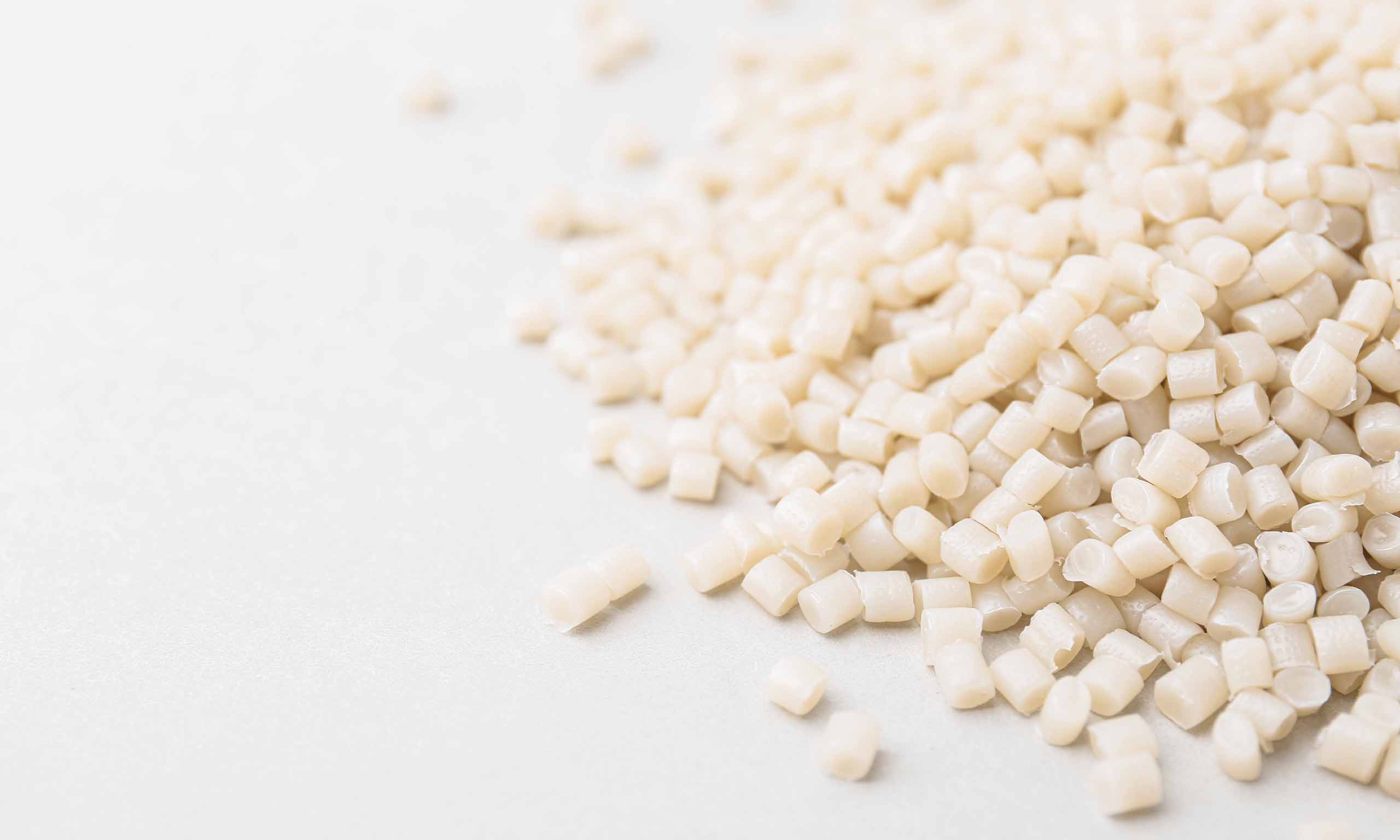
Key TSCA Polymer Exemption eligibility criteria
- Must meet the TSCA definition of a polymer
- Must not fall within excluded categories (e.g., certain cationic or environmentally concerning polymers)
- Must satisfy applicable molecular weight and low molecular weight species criteria
What type of polymers may not qualify for the exemption?
- Certain cationic polymers
- Polymers containing reactive functional groups above regulatory thresholds
- Fluorinated polymers or polymers containing PFAS-related components
A thorough and documented technical assessment against the polymer exemption criteria is advised to mitigate compliance risk.
Common TSCA compliance mistakes when importing polymers
Many TSCA compliance issues arise because organizations rely on incomplete supplier information or make assumptions about regulatory status. In practice, importers need sufficient technical and regulatory information to support their compliance position. Reaching a defensible compliance conclusion often requires the underlying technical data to be reviewed alongside the relevant TSCA requirements.
1. Relying on supplier statements without supporting data
Supplier declarations can provide a useful starting point, but they may not contain enough information to determine TSCA Inventory status, Polymer Exemption eligibility or SNUR applicability. Importers may need additional information on chemical identity, composition, molecular weight, reactants and residual monomers to support the assessment.
2. Failing to verify TSCA Inventory status
Companies sometimes assume that a substance is listed on the TSCA Inventory because it has previously been supplied or imported into the United States. However, the regulatory status of the specific substance should be verified rather than inferred from its commercial history or a supplier’s general assurance.
3. Incorrectly applying the Polymer Exemption
A polymer may initially appear to qualify for the TSCA Polymer Exemption but fail to meet one or more eligibility criteria when the supporting technical information is examined. Assessing molecular weight data, low molecular weight species, reactant information and functional groups can be important when determining whether the exemption can be relied upon.
4. Overlooking Significant New Use Rule (SNUR) requirements
A substance may be listed on the TSCA Inventory but still be subject to a SNUR. Inventory listing alone therefore does not confirm that a substance can be imported for any intended use without additional obligations. The substance’s regulatory status should be considered alongside its proposed use and any applicable restrictions.
5. Maintaining inadequate compliance documentation
Importers should retain the technical data and regulatory assessments supporting their compliance determination. Maintaining a comprehensive TSCA compliance file can help demonstrate how conclusions were reached and support import certifications, Polymer Exemption eligibility, regulatory submissions and responses to regulatory enquiries.

Additional consideration: PFAS-related obligations
Depending on the substance and applicable EPA requirements, importers may also need to consider PFAS-related reporting and recordkeeping obligations. While these requirements are distinct from TSCA Inventory, Polymer Exemption and SNUR assessments, companies importing fluorinated substances or products that may contain PFAS (per- and polyfluoroalkyl substances) should understand whether current or future reporting requirements could apply.
How Sagentia Regulatory can help with TSCA import compliance
Sagentia Regulatory supports companies importing chemicals, polymers and advanced materials into the U.S. by helping them understand and manage their TSCA obligations.
Our team helps clients:
- Verify TSCA Inventory status
- Assess Polymer Exemption eligibility under 40 CFR §723.250
- Identify applicable SNURs and TSCA restrictions
- Evaluate PFAS-related obligations
- Support PMNs, exemption submissions and regulatory notifications
- Review import certification requirements
- Develop compliance and recordkeeping strategies
By combining regulatory expertise with a strong scientific understanding of chemical substances and polymers, we help organizations reduce compliance risk, avoid delays and bring products to the U.S. market with confidence.

Frequently asked questions about TSCA import compliance and polymer exemptions
Do I need to comply with TSCA when importing chemicals into the U.S.?
Companies importing chemical substances into the United States are generally responsible for complying with the Toxic Substances Control Act (TSCA). Under TSCA, importers are considered manufacturers and may be required to verify TSCA Inventory status, complete import certifications, assess applicable Significant New Use Rules (SNURs), and meet other reporting or recordkeeping obligations. The specific requirements depend on the substance being imported and its intended use.
How do I know whether a chemical is listed on the TSCA Inventory?
Before importing or manufacturing a chemical substance in the United States, companies should determine whether the substance is listed on the TSCA Inventory. However, establishing Inventory status is not always straightforward and may require a review of the substance identity, composition and applicable regulatory requirements. Assuming that a substance is listed because it has previously been supplied or imported can create compliance risk. Contact our regulatory team at [email protected] for expert TSCA guidance.
Does my polymer qualify for the TSCA Polymer Exemption?
Not all polymers qualify for the TSCA Polymer Exemption. To be eligible, a polymer must satisfy the requirements of 40 CFR §723.250, including the applicable molecular weight and low molecular weight species criteria. Certain polymers, including some cationic polymers and polymers containing specific functional groups, may require additional assessment. Importers should verify eligibility before relying on the exemption.
Can a substance be listed on the TSCA Inventory and still have restrictions?
Yes. A substance may be listed on the TSCA Inventory and still be subject to a Significant New Use Rule (SNUR) or other TSCA requirements. Inventory listing alone does not automatically mean that a substance can be imported or used without restrictions. Companies should assess Inventory status alongside any applicable regulatory obligations and intended uses.
What should importers assess before importing chemicals into the U.S.?
Before importing chemicals or polymers into the United States, companies should ensure they have sufficient technical and regulatory information to support their TSCA compliance position. This may include:
- Chemical identity and composition information
- Molecular weight and residual monomer data
- TSCA Inventory assessments
- Polymer Exemption evaluations
- SNUR assessments
- PFAS-related regulatory evaluations
- Documentation supporting compliance conclusions
Maintaining a comprehensive TSCA compliance file can help support import certifications, regulatory submissions and ongoing compliance requirements.
You might also be interested in

US EPA issues notice on upcoming TSCA CBI expirations – Immediate action required

TSCA compliance consulting services