
Agricultural biologicals may be global. Regulatory pathways aren’t
Bringing a biological crop protection product to market requires more than a strong technical dossier. Regulatory requirements can vary significantly across the US, Canada, EU and GB, influencing development plans, data requirements and time to market.
Sagentia Regulatory, formerly TSG Consulting, helps with:
- Regulatory strategy and market access planning
- Complex biological submissions, including microbial dossiers, secondary metabolite assessments and whole genome sequencing reviews
- Product registrations, renewals and dossier development, including data gap assessments, literature reviews and regulatory submissions
Meet our biological experts at ABIM 2026
Planning a biological registration programme, expanding into new markets, or navigating complex regulatory requirements? Speak with Lesley Last, Darren Miles and Vicky Atkinson at ABIM (Stand 187).
Biological regulatory strategy starts with the right decisions
Whether you are developing a microbial, biochemical, semiochemical, botanical, biostimulant or other biological product, the right regulatory strategy depends on where you plan to commercialise, how the product is classified, what claims you intend to make and what data will be required to support registration. These decisions can influence development costs, registration timelines and market access opportunities.
Common questions we help clients address include:
- Which regulatory pathway is appropriate for this product in each target market?
- Will the same claims be acceptable in the US, Canada, EU and GB?
- Could US State-level requirements affect our commercial rollout?
- Are Canadian data requirements likely to create additional study needs?
- How should we address microbial strain identity, whole genome sequencing or secondary metabolite expectations?
- Do we have the internal expertise and capacity to manage the scientific and regulatory workload?

Different markets. Different requirements
Many of these questions arise because biological regulation is not harmonised globally. A product that appears straightforward in one market may require a different classification, claim strategy or data package in another.
Sagentia Regulatory supports manufacturers with practical regulatory strategy and technical input across major agricultural biological markets, including:
- United States: Support with biopesticide and biostimulant strategy, including classification considerations, EPA pathway assessment, State registration planning and claim development
- Canada: Guidance on Canadian requirements for biopesticides, biostimulants and biofertilisers, including value data expectations, strain-level information and pre-submission planning
- EU and GB: Support with biological active substance and product pathways, including microbial data requirements, product authorisations, renewals, biostimulant classification and evolving EU/GB regulatory expectations
How Sagentia Regulatory helps agricultural biological manufacturers
We work with in-house regulatory, scientific and commercial teams to provide specialist expertise, additional capacity and independent advice at key points in the product lifecycle.
Regulatory strategy and market access planning
We help clients assess regulatory pathways, classification options, claims strategy, data requirements and market sequencing so that development and commercial decisions are aligned from the start.

Agricultural biological active substance and product support
Our team supports biological product programmes across microbial active substances, semiochemicals, botanicals, fermentation-derived substances, plant extracts, nature-identical compounds and other biocontrol technologies.

Scientific and technical dossier input
Agricultural biological submissions often require integrated scientific and regulatory thinking. Sagentia Regulatory’s expertise spans microbiology, genomics, chemistry, analytical methods, residues, biology, efficacy, mammalian toxicology, exposure, environmental fate and ecotoxicology.

Data gap assessment and evidence strategy
We support data gap analysis, literature search strategy, endpoint justification, waiver development and technical approaches to emerging regulatory expectations.

Authority engagement and post-submission support
We help clients prepare for regulatory interactions, respond to authority questions and navigate requests for information where additional evidence, explanation or technical justification is required.

Expertise where agricultural biological submissions become complex
Agricultural biological active substances and products can raise scientific and regulatory questions that sit outside conventional pesticide assumptions. Our consultants help clients address the issues that often determine the strength, defensibility and progress of a submission.
Examples include:
- Microbial active substance dossiers
- Secondary metabolite assessments
- Whole genome sequencing reviews
- Strain identity and characterisation
- Closely related strain considerations
- Regulatory literature searches
- Biological UVCB characterisation
- Marker compound strategy
- Technical equivalence assessments
- Product renewals and Article 43 submissions
- EU, GB, US and Canadian registration strategy
- Study design, monitoring and technical oversight

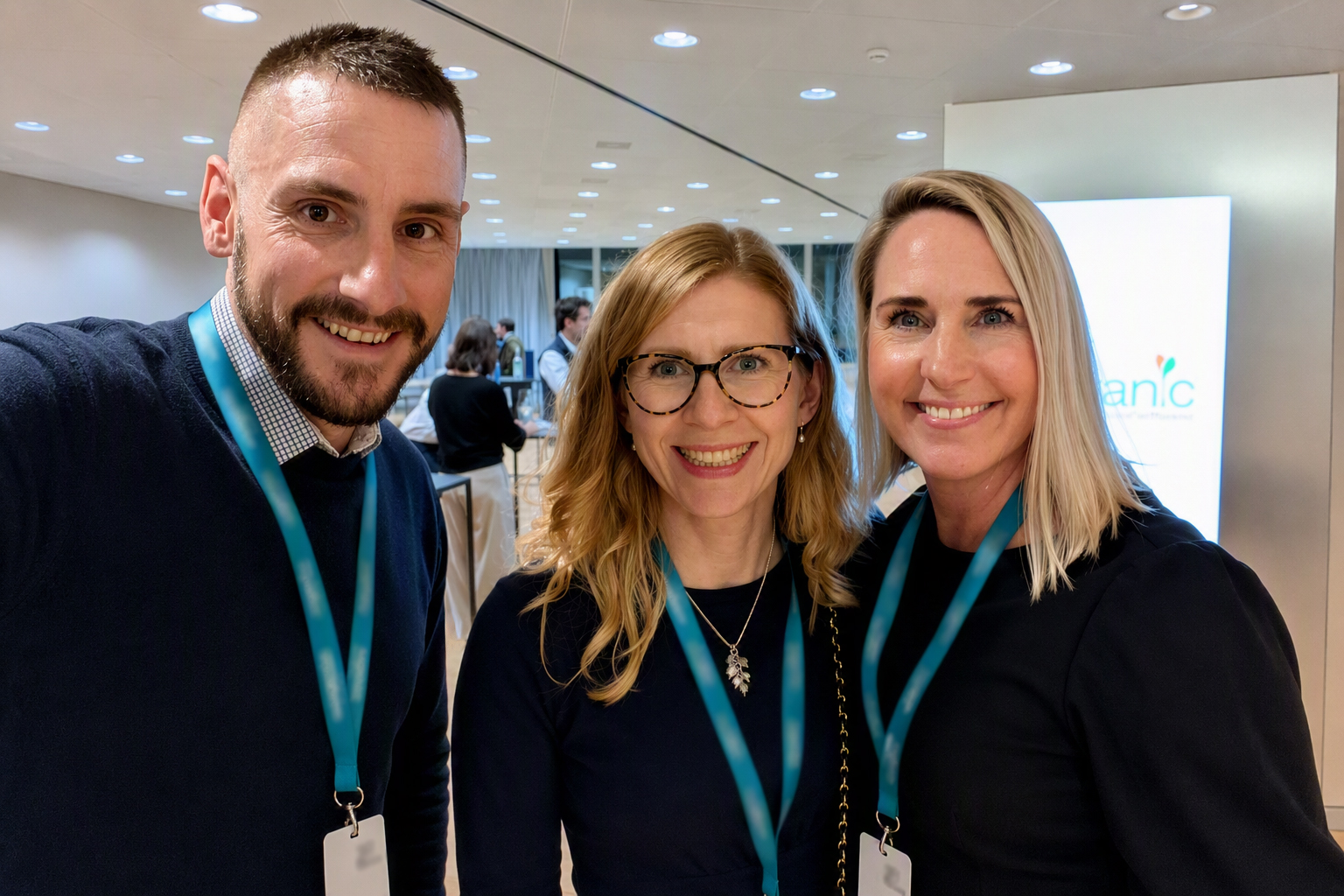
Attending ABIM (20-22 October 2026)?
Visit Sagentia Regulatory at Stand 187 to discuss your biologicals regulatory strategy with Darren Miles, Lesley Last and Vicky Atkinson.
Speak with us if you are:
- Planning a new biological product registration
- Expanding into the US, Canada, EU or GB
- Reviewing classification or claims strategy
- Preparing a microbial or biocontrol dossier
- Responding to regulatory questions or data gaps
- Looking for additional scientific or regulatory resource
- Assessing how evolving requirements may affect your programme