
Biocides regulatory consultants for EU BPR and GB BPR
Strategic regulatory support for biocidal products, active substances and Article 95 compliance
Whether you are seeking authorisation for a new biocidal product, maintaining market access, or navigating active substance approval requirements, Sagentia Regulatory, formerly TSG Consulting, provides practical support across EU and GB Biocidal Products Regulation (BPR) frameworks.
Sagentia Regulatory’s services help you:
- Obtain, maintain and renew biocidal product authorisations across the EU and Great Britain
- Manage active substance approvals and renewals, Article 95 requirements and regulatory change with confidence
- Develop robust, scientifically defensible dossiers that withstand regulatory scrutiny
Discuss your biocidal product authorisation
Biocides regulatory services for EU and GB market access
Achieving and maintaining biocidal product authorisations requires the right regulatory strategy, supporting data and ongoing compliance management. Sagentia Regulatory supports active substance suppliers, manufacturers and distributors with product authorisations, active substance approvals and long-term market access across the EU and Great Britain.
Sagentia Regulatory’s biocides regulatory services include:
Product authorisation and market access
- Union Authorisation
- National Authorisation
- Mutual Recognition
- Simplified Authorisation
- Product family strategy
- GB biocidal product authorisations
Active substance and regulatory strategy
- Active substance approval programmes and ECHA submissions
- Regulatory pathway assessment
- Data gap analysis
- Testing and data strategies
- Technical equivalence higher tier solutions
- Analysis of Alternatives (AoA) and comparative assessment
- Technical and strategic regulatory support
Ongoing compliance and authorisation maintenance
- Authorisation renewals
- Changes to existing product authorisations
- Variations and regulatory change management
- Article 95 support
- Portfolio management
- Compliance monitoring
Other biocides regulatory support
- Treated articles compliance
- Due diligence and regulatory assessments
- Representation services
- Regulatory intelligence and impact assessments
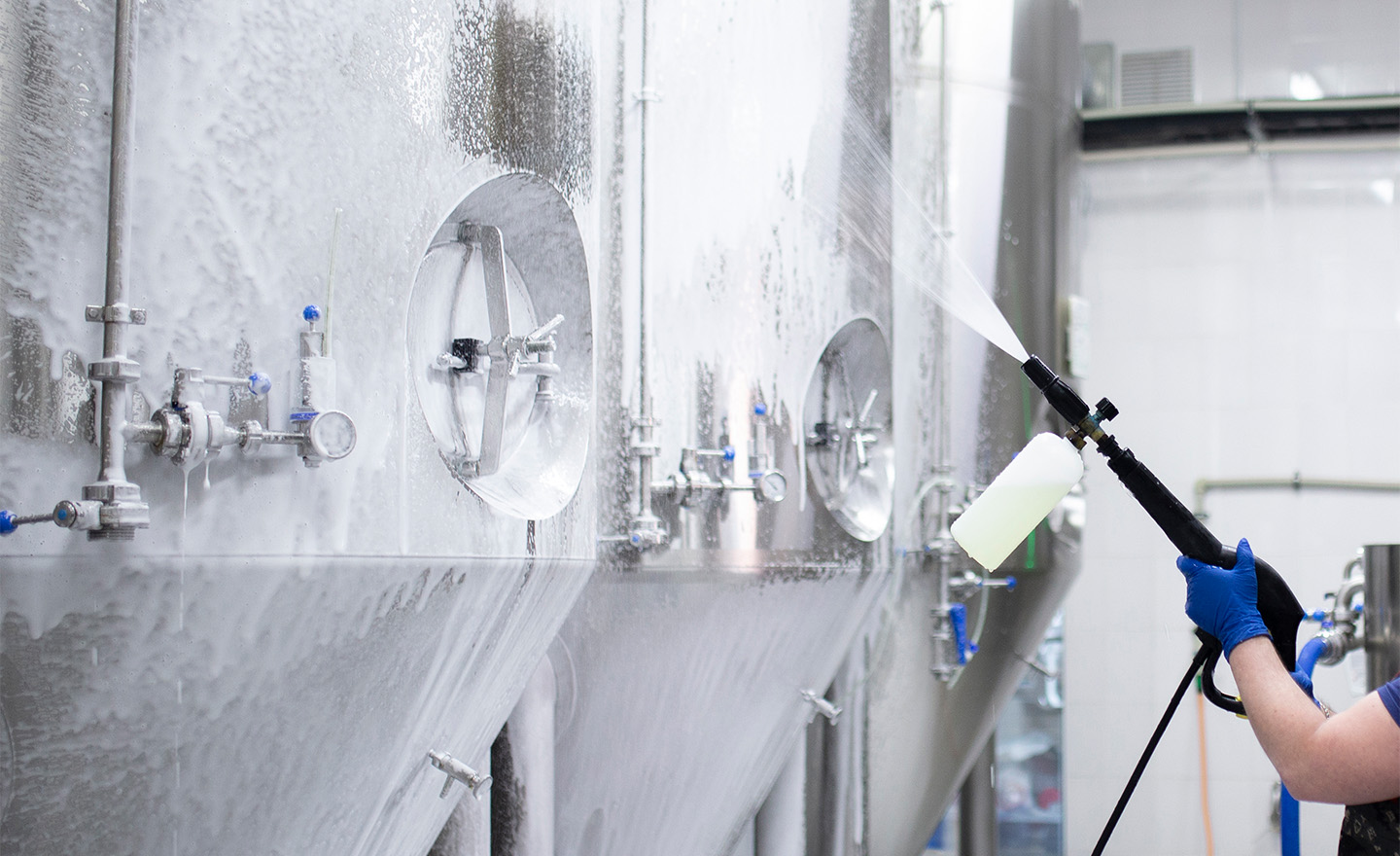
Product types we support include:
Disinfectants
Human hygiene products, veterinary hygiene products, surface disinfectants, food and feed area disinfectants, drinking water disinfectants, and algaecides.
Preservatives
Preservatives for products during storage, treated materials, wood, fibres, leather, rubber, polymers, construction materials, cooling systems, slimicides, and metalworking fluids.
Pest control products
Rodenticides, avicides, molluscicides, piscicides, insecticides, acaricides, repellents, and attractants.
Other biocidal products
Antifouling products, embalming fluids, and taxidermist fluids.
Biocides regulatory challenges we help solve
Biocidal product authorisation programmes can be complex, involving multiple stakeholders, extensive data requirements and evolving regulatory expectations.
Whether you are seeking a first authorisation, expanding your portfolio or maintaining market access, Sagentia Regulatory helps you overcome challenges such as:

- Selecting the most appropriate authorisation route, including Union Authorisation, National Authorisation, Mutual Recognition and Simplified Authorisation
- Managing active substance approval requirements and Article 95 obligations
- Identifying data gaps and developing effective testing and data generation strategies
- Demonstrating product efficacy, safety and regulatory compliance
- Preparing robust dossiers and responding to authority questions
- Developing product family strategies and supporting broader market access
- Managing renewals, variations and regulatory change
- Balancing regulatory requirements, commercial objectives and time-to-market pressures
- Conducting higher tier risk assessment refinements and designing bespoke studies
Our team combines regulatory strategy, scientific expertise and practical delivery to help clients secure and maintain access to EU and GB markets.
How Sagentia Regulatory’s biocides consultants help
Biocidal product authorisations can be delayed by regulatory uncertainty, data gaps and evolving authority expectations. Sagentia Regulatory combines regulatory strategy, scientific expertise and practical delivery to help clients reduce risk, make informed decisions and maintain market access.
Developing the right biocidal regulatory strategy
The decisions made early in a programme can significantly affect timelines, costs and market access opportunities. Sagentia Regulatory helps clients identify the most appropriate regulatory pathway, challenge assumptions and develop practical strategies that support both immediate approvals and long-term portfolio goals.
Building scientifically robust biocidal dossiers
Successful authorisations depend on more than assembling data. Sagentia Regulatory’s multidisciplinary team combines expertise in efficacy, toxicology, exposure and product chemistry to identify data gaps, develop testing strategies and prepare scientifically defensible submissions that withstand regulatory scrutiny.
Managing authority interactions and regulatory reviews
Regulatory reviews often involve multiple authority interactions, requests for additional information and evolving expectations. Sagentia Regulatory supports clients throughout the evaluation process, helping them respond efficiently to regulatory questions and keep programmes moving forward.
Maintaining EU and GB market access and compliance
Regulatory obligations continue long after authorisation is granted. Sagentia Regulatory helps organisations anticipate regulatory change, manage renewals and variations, and maintain compliance across EU and GB markets.
Technical expertise for biocidal product and active substance authorisations
Sagentia Regulatory combines regulatory expertise with specialist scientific capabilities across efficacy, toxicology, exposure assessment, environmental risk assessment, product chemistry and endocrine disruption. This multidisciplinary approach enables clients to access specialist knowledge that is often unavailable internally, supporting informed decision-making, robust data strategies and successful authorisation outcomes.

Regions supported
Sagentia Regulatory’s biocides consultants support market access and compliance across the EU and Great Britain, helping organisations navigate the requirements of:
- European Union Biocidal Products Regulation (EU BPR)
- Great Britain Biocidal Products Regulation (GB BPR)
We also provide support for US EPA antimicrobial registrations and Canadian biocides regulatory requirements.
Why choose Sagentia Regulatory for biocides regulatory consulting
- Access expertise that may not exist in-house, including toxicology, efficacy, exposure assessment, environmental risk assessment and product chemistry
- Support for technically complex programmes, including active substance approvals, endocrine disruption assessments and designing acceptable approaches where guidance is lacking for efficacy and risk assessments
- Strategic decision-making at critical stages, helping organisations select the right regulatory pathway, evaluating authority and data generation or read across strategy
- Flexible resource for busy regulatory teams, providing specialist expertise and additional capacity when internal teams are stretched
- Proven experience navigating EU and GB BPR requirements, helping organisations manage regulatory complexity while maintaining market access
- Global reach, with additional support for US EPA antimicrobial registrations and Canadian biocides compliance
Meet our EU and GB biocides regulatory experts
Sagentia Regulatory’s team supports clients across the full biocides regulatory lifecycle, from active substance approvals and Article 95 requirements to product authorisations, dossier development and ongoing regulatory strategy.
Key experts include:
- Dr Samantha Walker, Head of Biocides & Cosmetics, who specialises in active substance approvals, product authorisations and efficacy requirements under EU and GB BPR. She combines regulatory consultancy expertise with prior industry experience supporting BPR registrations at a global FMCG company and is an efficacy specialist with expertise in CLP, REACH and detergents regulation.
- Robert Jones, Regulatory Consultant and Project Manager, who supports clients with active substance approvals, product authorisations and regulatory strategy across the EU and Great Britain, helping organisations navigate complex regulatory requirements and market access challenges.
- Oliver Billenness, Senior Regulatory Consultant, who supports clients with biocidal substances and products under EU and UK regulatory frameworks, including dossier preparation, risk assessment, consortium management and active substance programmes.

Case studies: biocidal product authorisations and active substance approvals

Selecting the right evaluating Member State
Choosing the right evaluating authority can significantly influence timelines, regulatory risk and the success of a submission. Sagentia Regulatory regularly works with all authorities across the UK and the EU, including a high level of experience with Denmark, Finland, the Netherlands, France, Norway, Belgium, Germany, Austria, Switzerland, the Czech Republic and Spain, giving us first-hand insight into authority experience, capacity and regulatory expectations. This enables us to recommend the most appropriate authority based on the active substance, product type and specific requirements of each programme.

Managing a complex ECHA submission for an active substance dossier within three months
When a client needed to rewrite a complex active substance dossier to meet ECHA’s latest guidance and templates within three months, Sagentia Regulatory assembled a team of regulatory specialists and project managers to deliver a high-quality IUCLID dossier on time. The submission covered a preservative active substance across multiple product types and met the evaluating authority’s submission deadline.

Extending an FMCG company’s regulatory team with on-demand expertise
When a multinational FMCG company faced a shortage of internal regulatory resource, Sagentia Regulatory developed an embedded support model that provided immediate access to regulatory consultants, project managers and toxicology expertise. This approach enabled the client to maintain momentum across its biocidal product portfolio while benefiting from flexible access to specialist regulatory support.
EU BPR ethanol insights


Frequently asked questions about the Biocidal Products Regulation (BPR)
When do I need biocides regulatory consulting support under EU or GB BPR?
Many organisations already have in-house regulatory teams but engage specialist consultants when additional expertise or resource is required. This is often the case for complex authorisations, active substance approvals, Article 95 requirements, endocrine disruption assessments, product family strategies or interactions with evaluating authorities.
While obtaining and maintaining registrations under transitional rules can often be achieved in many countries with limited regulatory input or expertise, the regulatory burden typically increases significantly once an active substance is approved. At this stage, organisations are usually required to prepare a complex and challenging authorisation dossier, often creating the need for additional scientific, technical and regulatory support.
Specialist consultants can help identify data gaps, develop regulatory strategies, address technical challenges and keep authorisation programmes on track.
How do EU BPR and GB BPR requirements differ for biocidal products?
While EU and GB BPR share a common regulatory heritage, they now operate as separate frameworks with distinct processes, authorities and timelines.
Organisations placing products on both markets must manage parallel regulatory strategies and submissions to ensure continued compliance. Marketing in Northern Ireland can require additional regulatory action and understanding.
What data is required for a biocidal product authorisation dossier?
Data requirements depend on the product type, active substances and intended uses, but typically include information on composition, efficacy, toxicology, exposure and risk assessment. The data required to support shelf life, storage stability and chemical hazards can be complex. The studies take a long time and correct measurements must be taken. Managing data gaps, read across options and interpreting scientific evidence are critical parts of the authorisation process.
How long does the biocides authorisation process typically take?
Authorisation timelines vary depending on the submission type, data completeness and authority workload. Delays can occur where additional information is requested or where regulatory interpretation is complex. Early planning and clear regulatory strategy can help reduce uncertainty. Full approvals and authorisations take several years. However, in some circumstances market access can be achieved quicker depending on the active substance and Member State required.
Do I need an Article 95 representative in the EU or Great Britain?
It depends on where your company is established and how your active substances are sourced. Companies that are not established in the EU or Great Britain may require an EU- or GB-based representative to maintain access to the relevant Article 95 list. Appointing the correct representative is essential for demonstrating compliance and maintaining market access.
Sagentia Regulatory acts as both EU and GB Article 95 representative, helping organisations understand their obligations, maintain compliance and avoid disruption to product supply. Contact our team at [email protected] for support.
Can my products be registered as a biocidal product family?
Potentially. Registering products as a biocidal product family can reduce administrative burden and simplify the management of product portfolios. To qualify, products must have similar compositions, uses, hazard profiles and efficacy characteristics, and must meet the requirements set out in the Biocidal Products Regulation. Assessing product family opportunities early can help maximise market access while reducing future registration costs and administrative complexity.
When is an endocrine disruption assessment required under BPR?
Endocrine disruption assessments are typically required for active substances and relevant co-formulants used in biocidal products under EU BPR. The assessment must demonstrate whether a substance meets the regulatory criteria for endocrine-disrupting properties, taking into account available scientific evidence and current ECHA and EFSA guidance. Because these assessments can be scientifically and technically complex, early evaluation of potential endocrine disruption concerns can help identify data requirements, minimise regulatory risk and support successful authorisation outcomes.
What is the best authority to evaluate my biocidal product application?
There is rarely a single “best” authority for every application. The most appropriate evaluating authority will depend on factors such as the active substance, product type, proposed claims, regulatory strategy and authority capacity. Differences in expertise, experience and workload can affect review timelines and the overall authorisation process. Selecting the right authority at the outset can help reduce delays, improve communication during evaluation and support a more efficient route to authorisation.
What are the most common causes of delays in biocidal product authorisations?
Delays are often caused by data gaps, incomplete dossiers, unclear regulatory strategies, requests for additional information from authorities or challenges relating to efficacy, toxicology or risk assessment requirements. Applications can also be delayed where product family approaches, active substance approvals or Article 95 considerations have not been fully assessed at the planning stage. Identifying these risks early and developing a clear regulatory and data strategy can help keep authorisation programmes on track and minimise unexpected delays.