
Gaining authorisation for a biocidal product, product family, or approval of an active substance under the EU BPR (Regulation 528/2012) or GB BPR is a complex, multi-stage process. Success depends on a clear regulatory strategy and input from multiple scientific disciplines, including toxicology, ecotoxicology, efficacy and chemistry.
With deep expertise across these areas, Sagentia Regulatory helps companies meet compliance requirements effectively, supporting smooth progression through the authorisation process and sustained access to the European market.

Expert regulatory support across all biocidal product types
Biocidal products cover a broad spectrum of applications. Whether you’re developing a disinfectant, preservative, pest control product, or another type of biocidal solution, achieving regulatory compliance under the Biocidal Products Regulation (EU BPR 528/2012 and GB BPR) requires a clear understanding of the specific obligations tied to each product type.
We offer targeted support across all product types to help you navigate these complex regulatory landscapes with confidence.
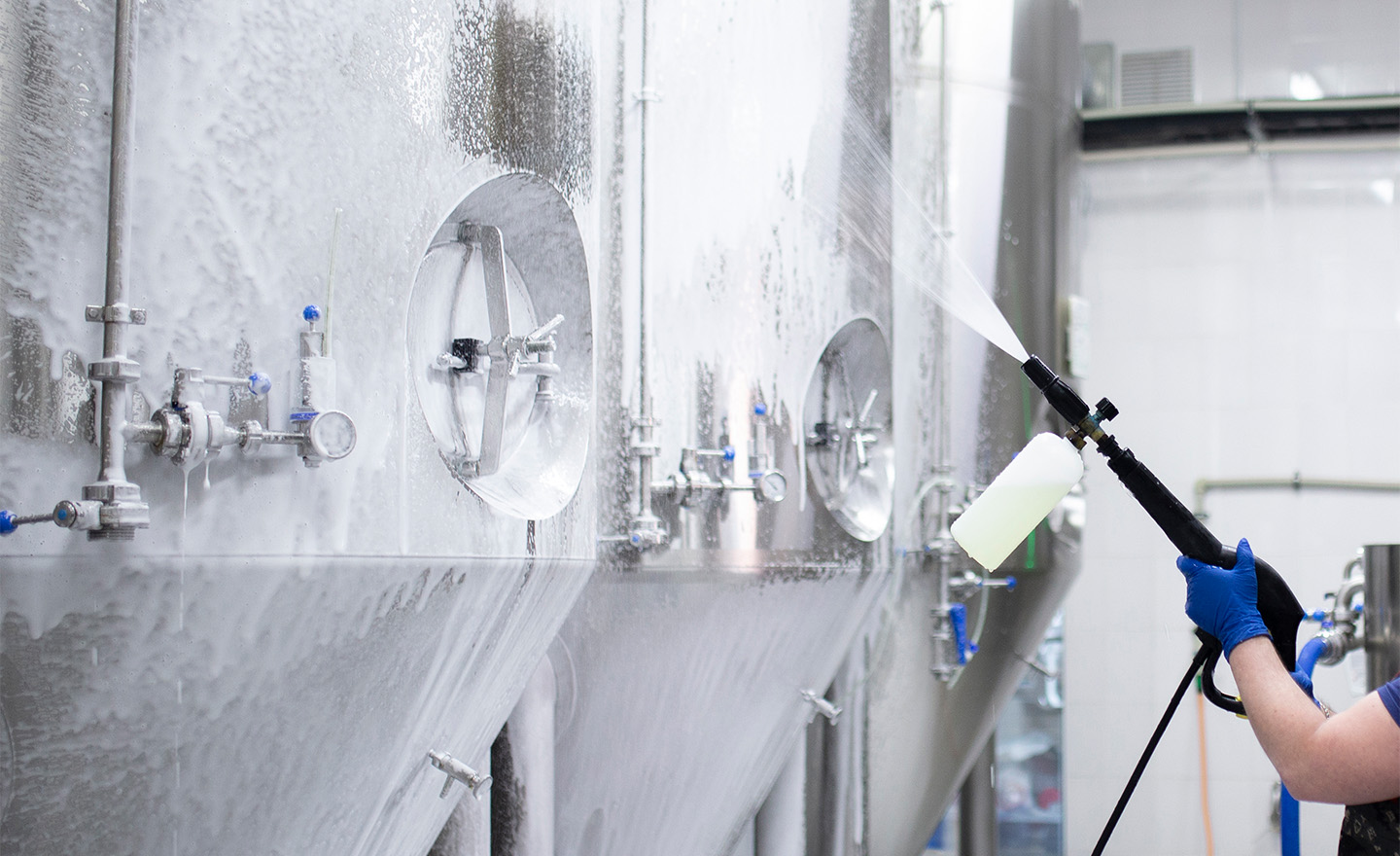
Disinfectants – Support for disinfectant products used in human hygiene, veterinary hygiene, food and feed areas, drinking water, and algaecides, ensuring safety, efficacy, and regulatory compliance across all applications.
Preservatives – Guidance on preservatives used during storage and in materials including film, wood, fibre, leather, rubber, polymers, construction materials, liquid cooling and processing systems, slimicides, and cutting fluids, aligned with current regulatory expectations.
Pest control – Expert support for insecticide products used as rodenticides, avicides, molluscicides / vermicides, piscicides, insecticides / acaricides, and repellents / attractants, ensuring your pest control products meet safety and performance standards.
Other biocidal products – Regulatory expertise for antifouling products used on boats aquaculture equipment and other structures used in water, as well as embalming and taxidermist fluids.
Strategic regulatory solutions for biocides
Is your company looking to gain access to the EU and GB market? Or are you navigating the challenges of maintaining existing access through the renewal programme, while keeping pace with evolving regulations and guidance?
Whether you need to appoint an EU- or UK-based Article 95 representative, or submit a new active substance application to ECHA or HSE, Sagentia Regulatory can support you with clear, strategic guidance at every step.
Active substance approval
- Product registration – Complete dossier preparation and submission (R4BP) and post-authorisation support, we manage the full process. Starting with determining the must have portfolio and claims, structuring of families, test strategies and planning, choice of evaluating authorities and market areas. Combined with comprehensive and complete administrative package including label development, SPC, IUCLID and SDS preparation, expert waivers, and Poison Centre Notifications (Article 45 of the CLP)
- Risk assessment – Robust risk assessments are essential for demonstrating product safety and efficacy. Our multidisciplinary team delivers high-quality evaluations aligned with current regulatory expectations
- Technical support – Focused technical input strengthens your regulatory position. Services include data gap analysis, study design and monitoring
- Endocrine disruption assessment – Demonstrating endocrine-disrupting properties is critical for approval. We deliver assessments aligned with ECHA/EFSA guidance of June 2018, including data searches, collation of published studies and regulatory information, and expert monitoring of in vitro and in vivo ED studies. We also provide scientifically robust waiver justifications for technically challenging substances or where study requests lack justification. For biocidal products, we offer targeted screening-level assessments to identify potential endocrine-disrupting properties efficiently and aligned with regulatory expectations, helping you build a scientifically sound and defensible submission
- Analysis of alternatives and comparative assessment – Active substances that meet BPR exclusion criteria will face non-approval unless a robust analysis of alternatives (AoA) and socio-economic impact assessment (SEIA) demonstrate the substance is irreplaceable. Products based on substances meeting exclusion criteria require a detailed comparative assessment of similar products. We guide you through the AoA, SEIA, and Comparative Assessment processes – evaluating technical and socio-economic feasibility, supporting derogation justifications, and helping you build a scientifically sound and defensible case
- Regulatory strategy and compliance – A clear regulatory strategy helps you stay ahead of evolving requirements. From Union Authorisation to national submissions, Sagentia Regulatory provides tailored guidance, including support for non-EU markets such as Switzerland and Norway. Our team helps structure biocidal product families, prepare robust justifications, and tackle Biocidal Product Committee (BCP) reviews with confidence
- Consortium management – Expertly managing consortia and task forces for biocides, agrochemicals, and general chemicals under REACH, we ensure collaboration is both strategic and compliant. Services include member identification, drafting consortium agreements, data collation and analysis, study monitoring, regular meetings, and full dossier preparation and submission support—delivered with transparency at every stage
- Training and workshops – Customised training programmes and workshops keep your team up to date with the latest regulatory developments and best practices in the biocides industry, empowering informed, confident decision-making
- Representatives – Acting as a trusted regulatory representative, we support GB companies on the EU and EU companies on the GB Article 95 lists, ensuring continued market access and compliance on both sides of the Channel
Why choose us for biocidal product support?
With years of experience in the biocides sector, our team has the expertise to guide you through every stage of the regulatory process. We take a client-centric approach, working closely with you to develop solutions that align with your business goals. Our proven track record in securing product authorisations and ensuring compliance reflects the quality and reliability of our support.

Frequently asked questions about the Biocidal Products Regulation (BPR)
What is a biocide?
ECHA defines a biocide as:
“- any substance or mixture, in the form in which it is supplied to the user, consisting of, containing or generating one or more active substances, with the intention of destroying, deterring, rendering harmless, preventing the action of, or otherwise exerting a controlling effect on, any harmful organism by any means other than mere physical or mechanical action,
– any substance or mixture, generated from substances or mixtures which do not themselves fall under the first indent, to be used with the intention of destroying, deterring, rendering harmless, preventing the action of, or otherwise exerting a controlling effect on, any harmful organism by any means other than mere physical or mechanical action.”
What are the different biocidal product types?
The Biocidal Products Regulation (528/2012) classifies biocides into 22 product types (‘PTs’). They are divided into four main groups:
Group 1 – Disinfectants (human hygiene; disinfectants and algaecides not intended for direct application to humans or animals; veterinary hygiene; food and feed areas; drinking water).
Group 2 – Preservatives (preservatives for products during storage; film preservatives; wood preservatives; fibre, leather, rubber and polymerised materials preservatives; construction material preservatives; preservatives for liquid-cooling and processing systems; slimicides; working or cutting fluid preservatives).
Group 3 – Pest control (rodenticides; avicides; molluscicides, vermicides and products to control other vertebrates; piscicides; insecticides, acaricides and products to control other arthropods; repellents or attractants; control of other vertebrates).
Group 4 – Other biocidal products (antifouling products; embalming or taxidermist fluids).
Can I sell a biocidal product freely on the EU or GB market?
No, a notification, registration or authorisation of the biocidal product is usually needed in every country in which you wish to market the product.
If you need help in registering a biocidal product or active substance, please reach out to our biocides team.
What data do I need in order to register my biocidal product in the EU?
The data requirements that are needed for product registration/authorisation are dependent on factors such as the proposed product type (PT), specific product uses, intended user (professional/non-professional) and country. The formulation type and active ingredient(s) of the proposed product will also impact the type of data required.
There are many ways the data requirements can be addressed such as data references, waivers and lab generation. Sagentia Regulatory can provide a list of data requirements specific to your proposed product through a product strategy assessment document and/or a data gap analysis. Reach out to our biocides team for support.
What is a treated article?
Article 3 of the Regulation (EU) No 528/2012 (EU BPR) defines a treated article as “any substance, mixture or article which has been treated with, or intentionally incorporates, one or more biocidal products.”
Where the primary function of a treated article is biocidal, the treated article will be treated as a biocidal product rather than a treated article.
Treated Articles must comply with the requirements in Article 58 of EU Biocides Regulation 528/2012.
Can I submit an authorisation request for all my biocidal products in one dossier?
Potentially, yes. A biocidal product family can be submitted if there are similar formula compositions, uses and levels of risk and efficacy across all the products. There is guidance (CA-July19-Doc.4.2: Note for Guidance agreed in July 2019) on product families which details exactly what conditions need to be met.
Sagentia Regulatory can help with assessing if your products can fit into a product family and ensure there is robust justification for your product family strategy. Reach out to our biocides team for support.
What is Union authorisation?
Under the BPR, certain biocidal products can be authorised at Union level, allowing companies to place their biocidal products on the market throughout the entire European Union, without the need to obtain a specific national authorisation in each country.
Union authorisation will give the same rights and obligations in all the Members States as those provided by national authorisations.
Union authorisation can be granted to biocidal products with similar conditions of use across the Union, although there are certain exclusions.
Sagentia Regulatory can advise on which active substances can be included in a Union authorisation application, as well as support clients in preparing Union authorisation submissions, managing them through the Member State evaluation and peer review processes. Reach out to our biocides team for support.
What is mutual recognition?
Endocrine disruptors are chemicals which under certain conditions can impact on the hormonal system of humans and animals. An endocrine disrupter assessment is required for every single active substance and co-formulant in biocidal products placed on the EU market. Guidance on how to carry out assessments of biocides (and plant protection products) for endocrine disruptors was published by the European Chemicals Agency (ECHA) and the European Food Safety Authority (EFSA) in June 2018. Whilst the document aimed to help users comply with their obligations under the BPR, many questions remain as to what exactly is required of companies, and the process is far from simple as the European competent authorities are taking different approaches to the assessment process.
Sagentia Regulatory supports companies in navigating the many nuances of biocides product legislation, providing endocrine disruptor data searches, collation of data from published sources and from regulatory studies and a detailed analysis and weight-of-evidence report according to the ECHA/EFSA guidance of June 2018. Reach out to our biocides team for support
What do NI companies need to do to export their biocidal products to GB?
Northern Ireland-based businesses that hold a valid authorisation for their biocidal product under the EU BPR, must first notify HSE 90 days before the product is placed on the GB market. In addition, the authorisation holder must be established in NI, the active substance must be approved under GB BPR and the active substance must be sourced from a GB Article 95 supplier.
Can GB companies export their biocidal products to NI?
Yes. Exports from GB to NI must comply with the EU BPR. In addition, businesses may also be required to comply with other GB legislation such as GB Prior Informed Consent (GB PIC) or specific customs and export rules.
European regulatory support
Expert regulatory support for European markets. Explore our services
North American regulatory support
Supporting North American market access. Discover our expertise
Expert insights
Explore our archive of expert advisories on crop protection, antimicrobial and chemical regulations