
EPA pesticide registration consultants in the US
Achieve efficient EPA approval for your conventional pesticides or biopesticides
With over 35 years’ experience in US EPA pesticide registration, we at Sagentia Regulatory, previously known as TSG Consulting, support organizations in meeting FIFRA requirements and bringing conventional pesticides or biopesticides to market.
- New registrations (FIFRA Section 3)
- Amendments and notifications
- Clear, effective EPA pesticide registration strategies
Start your EPA pesticide registration discussion
EPA pesticide registration services for conventional products and biopesticides
All pesticide products in the US must be registered with the United States Environmental Protection Agency (EPA) under FIFRA (Federal Insecticide, Fungicide, and Rodenticide Act).
Successful registration depends on the right regulatory strategy, technical expertise, and effective management of EPA interactions. We work alongside you to define the optimal pathway, interpret requirements, and drive approvals forward.
Sagentia Regulatory’s pesticide registration services include:
New registrations
- New products (FIFRA Section 3)
- Experimental Use Permit (EUP) applications under FIFRA Section 5
- “Me too” applications
- Section 18 registrations
- Strategy development
- Protocol development
- Distributor and repack registrations
- Pesticide devices (e.g. UV lamps, air filters, water purifiers, mouse traps)
Amendments and notifications
- Alternate formulations
- Alternate brand names
Other pesticide compliance
- Data Call-In (DCI) responses
- Audit assistance
- Marketing material review
- Tolerance petitions under the Federal Food, Drug, and Cosmetic Act (FFDCA)
- Assisting with EPA enforcement issues
- Notices of Arrival and Foreign Purchaser Acknowledgement Statements

Pesticides requiring registration in the US include:
- Fungicides
- Herbicides
- Rodenticides
- Insecticides
- Animal repellents
- Antimicrobials
- Disinfectants
- Sanitizers
- Other products formulated to repel, kill, or mitigate a pest
Successful pesticide registration outcomes
Successful EPA registration depends on making the right strategic decisions early.
Label claims and active ingredient(s) determine which division of the EPA’s Office of Pesticide Programs (OPP) will review your product – Biopesticides and Pollution Prevention Division (BPPD), Conventional Pesticide Registration Division (RD), or Antimicrobials Division (AD).
Early in the process, regulatory and product development teams must define:
- The correct classification (conventional vs biopesticide)
- The most efficient registration pathway
- A data strategy aligned with EPA expectations
- The relevant Pesticide Registration Improvement Act (PRIA) fee category
Sagentia Regulatory works with you to define the right strategy from the outset – reducing risk, avoiding unnecessary studies, and creating a clear path to approval.


Common EPA registration mistakes we see
Companies often approach us after:
- Selecting the wrong EPA registration pathway or misclassifying their product
- Developing incomplete or poorly aligned data packages
- Preparing weak or non-compliant labels that trigger queries and rework
- Underestimating state pesticide registration requirements, including missing local approvals and annual renewal deadlines
Our consultants help identify and address these issues early, reducing delays and avoiding unnecessary cost.
The key challenges in EPA pesticide registration we help you solve
EPA pesticide registration involves complex regulatory requirements, scientific uncertainty and tightly managed timelines, where early decisions directly impact approval success.
Sagentia Regulatory supports clients in addressing challenges such as:
- Aligning regulatory strategy with product development and commercial timelines
- Interpreting complex FIFRA requirements and evolving EPA regulatory guidance
- Defining pesticide data requirements, addressing data gaps and justifying waivers
- Managing EPA approval, registration review and post-approval change requirements
- Coordinating federal EPA and US state pesticide registration programs
Our EPA pesticide registration consultants combine experience across industry, consulting, and government, bringing a multi-faceted perspective to your registration challenges. We work closely with you to understand your objectives and build robust, submission-ready pesticide application packages aligned with your goals.

How we help
Sagentia Regulatory works with regulatory, technical and commercial teams to define the optimal pesticide registration pathway, interpret complex requirements, and manage EPA interactions, helping you move from development to approval and market access.
Defining the right regulatory strategy
We assess your product, intended use, and claims to define the most appropriate EPA registration pathway.
By understanding your priorities, such as time to market or overall cost, we develop a pesticide registration strategy aligned with your objectives. We identify the factors driving data requirements and EPA decision review times, enabling informed decisions on the most effective route to registration.

Interpreting data requirements and scientific evidence
EPA pesticide registration is data-intensive, requiring robust evidence to support approval. While biopesticides may have reduced requirements to conventional pesticides, all products must demonstrate safety and performance.
Whether through data development, public literature citation, study waivers or rationales, our consultants identify the most effective approach to address pesticide data requirements and support registration.

Delivering submission-ready regulatory packages
We develop high-quality EPA pesticide submission packages that integrate data, labeling and scientific justification into a consistent, review-ready package. This reduces the risk of queries, strengthens regulatory positioning and supports a more efficient review process.

Managing EPA engagement and decision-making
We lead interactions with the EPA, including pre-submission meetings, query management and response development. By providing clear, well-positioned responses and maintaining alignment with agency expectations, we keep your program on track through review milestones.
Navigating approval, review and regulatory change
We support programs through EPA review, registration review and post-approval changes. By anticipating regulatory shifts and adapting strategy accordingly, we help protect timelines, maintain compliance and reduce disruption to your product lifecycle.

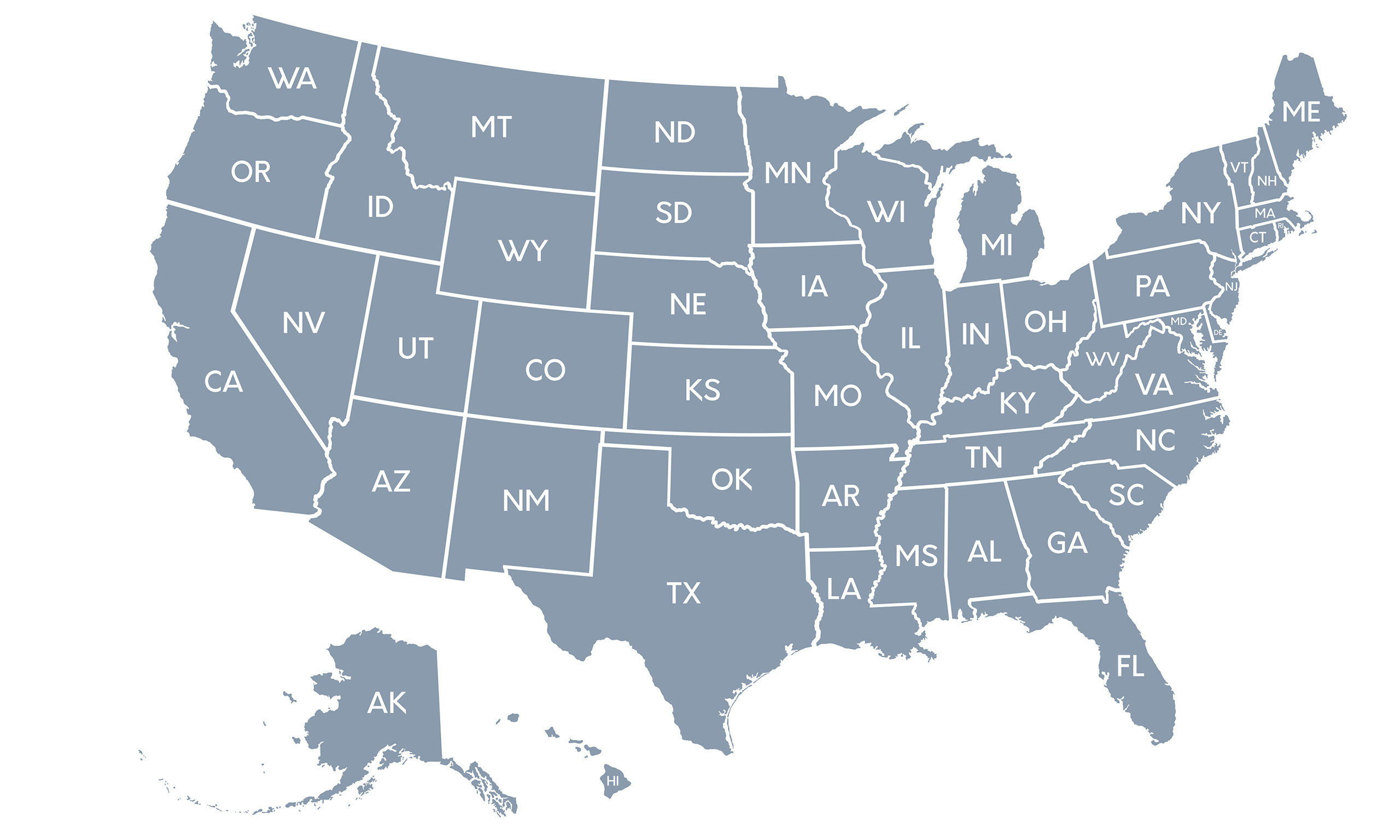
Coordinating market access across US jurisdictions
We align federal EPA strategy with US state pesticide registration requirements, ensuring a coordinated approach to approvals and launch. This reduces delays between federal approval and commercialization, enabling faster and more predictable market access.
Technical requirements and regulatory considerations for pesticide and biopesticide registrations
EPA registration requires aligning detailed technical requirements with a clear regulatory strategy from the outset.
Correct classification – conventional pesticide or biopesticide – directly shapes data requirements, regulatory expectations, and review timelines.

EPA requires both product-specific and generic data for active ingredients and end-use products, including product chemistry, toxicity, and, where required, efficacy. Applications must also include a complete administrative package, including a CSF, data matrix, transmittal document, and other supporting forms.
Submissions must be complete at the time of filing and fully aligned with EPA requirements, as applications cannot be amended once under review. A targeted data package, supported by early identification of data gaps, waiver opportunities, and regulatory considerations, is critical to meeting these requirements, reducing uncertainty, and avoiding costly late-stage changes.
Sagentia Regulatory supports this process by aligning regulatory strategy, data requirements, and EPA engagement, ensuring applications are structured and prepared in line with FIFRA and EPA expectations.
Pesticide regulatory services across the US, Canada and Europe
Our regulatory and technical teams support pesticide registration across major jurisdictions, helping organizations navigate US and international regulatory requirements.
United States pesticide registration (FIFRA)
- US EPA pesticide and biopesticide registration services
- US EPA antimicrobial pesticide registration services
Canada pesticide registration services
- Canada pesticide, biopesticide and antimicrobial registration services (PCPA)
- Canada biocides registration services (Health Canada)
Europe pesticide registration services
Why choose Sagentia Regulatory for US pesticide regulatory consulting
Getting a pesticide or biopesticide registered with the US EPA requires the right technical expertise, regulatory understanding, and execution.
With over 35 years’ experience in EPA pesticide registration, we routinely prepare and manage applications across conventional pesticides and biopesticides, ensuring they meet EPA requirements and progress efficiently through review.
- Experienced in preparing complete, submission-ready EPA pesticide application packages
- Clear regulatory strategy to minimize delays and avoid unnecessary studies, cost, and rework
- Integrated scientific and regulatory expertise across complex programs
- Proven track record supporting EPA registration, review, and ongoing compliance
- Expertise across conventional and biopesticide pathways
Meet our US pesticides and biopesticides regulatory experts
Behind every successful EPA pesticide registration is a team that understands both the technical and the regulatory landscape.
Our US team (formerly TSG Consulting) supports complex pesticide and biopesticide programs – from EPA registration through lifecycle management and regulatory strategy – combining deep technical expertise with practical FIFRA experience to accelerate market access.
Key experts include:
- Jonathan Walsh, who leads our Federal pesticides team and supports complex EPA registration programs across conventional and biopesticide products
- Wendy McCombie, who brings extensive experience in EPA registration strategy and FIFRA compliance, supporting efficient and successful regulatory outcomes
- Pete Stevenson, who supports regulatory strategy and compliance across EPA, FDA, and USDA frameworks, with experience across antimicrobial, conventional, and biopesticide products

You may also be interested in…
How to design US pesticide labels for federal approval, state registration and market success
Pesticide labels can accelerate market access – or delay it. Read our related Insight for deeper guidance on designing US labels that support EPA approval, state registration, and commercial success.

US EPA pesticide and biopesticide registration FAQs
How can we ensure our EPA registration progresses efficiently?
Efficient EPA pesticide registration depends on early regulatory strategy, a clearly defined data approach, and a submission-ready application package aligned with EPA expectations.
Delays are most commonly caused by incorrect pathway selection, data gaps or inadequate submissions. Defining the right strategy at the outset, identifying risks early, and ensuring applications are complete and aligned with EPA expectations are critical to reducing delays and ensuring a smoother, more predictable path to approval under FIFRA.
How do we determine the right EPA pesticide registration pathway?
Determining the right EPA pesticide registration pathway involves classifying the product (e.g. conventional pesticide or biopesticide), defining its intended use and claims, and assessing the available scientific data.
These assessments determine which EPA review division will evaluate the application, data requirements, and applicable PRIA fee category. Incorrect classification or positioning can lead to unnecessary studies, increased costs, and significant delays.
How do we determine the right pesticide data requirements without over-scoping?
Determining the right EPA pesticide data requirements involves assessing the product type, use pattern, and regulatory pathway, and identifying the studies needed to support approval.
Including unnecessary studies increases cost and extends timelines, while gaps can lead to EPA queries, delays and rework. Defining data requirements through detailed data gap analysis, with consideration of waiver and bridging opportunities, supports a targeted, compliant data package aligned with EPA expectations.
What causes EPA registration delays, and how can they be avoided?
The most common causes of EPA registration delays include incorrect product classification, incomplete or inconsistent data packages, poorly prepared application packages or labeling, and lack of early EPA engagement.
These issues often result in additional data requests, repeated review cycles, and extended timelines. Avoiding delays depends on defining the right regulatory strategy early, aligning data requirements with EPA expectations, and ensuring submissions are complete and well-positioned for review.
Can Sagentia Regulatory prepare and manage a complete EPA submission?
Yes. Sagentia Regulatory routinely prepares and manages complete EPA pesticide registration applications across both conventional pesticides and biopesticides.
This includes defining regulatory strategy, designing and coordinating data development programs, and producing complete application packages aligned with FIFRA and EPA expectations. Submissions are prepared to a high standard and positioned to meet regulatory requirements at the point of review, supported by experienced engagement with the EPA throughout the process.
By combining scientific and regulatory expertise with structured project management, applications are delivered in a coordinated way that reduces delays, minimizes rework, and keeps registration programs on track.
Do you offer support through EPA review and post-approval (including state registration)?
Yes. EPA approval is only part of the process – US state pesticide registration and ongoing compliance are critical to achieving and maintaining market access.
With over 35 years’ experience in EPA pesticide registration, Sagentia Regulatory supports programs through EPA review, queries and Data Call-Ins (DCIs), alignment with PRIA timelines, coordination of US state registration, and post-registration compliance and lifecycle activities.
This ensures a coordinated approach from initial submission through to commercialization and beyond, helping maintain momentum and avoid delays.