
Why state product renewals are no longer a back-office task, and the risks of getting them wrong
June 3, 2026
State product renewals for pesticides, fertilizers, feed, and seed are becoming increasingly complex. Learn why DIY approaches create hidden risks, and how to manage renewals more effectively.
For companies managing portfolios of pesticides, fertilizers, animal feed, and seed products, state renewals are a recurring operational requirement, one that has traditionally been seen as straightforward.
What was once treated as a routine administrative exercise has evolved into a complex, high-risk process driven by growing product portfolios, evolving regulatory expectations, and significant variability across states.
As a result, many organizations are rethinking how renewals are managed, recognizing that the stakes now extend well beyond compliance to include business continuity, revenue protection, and operational efficiency.
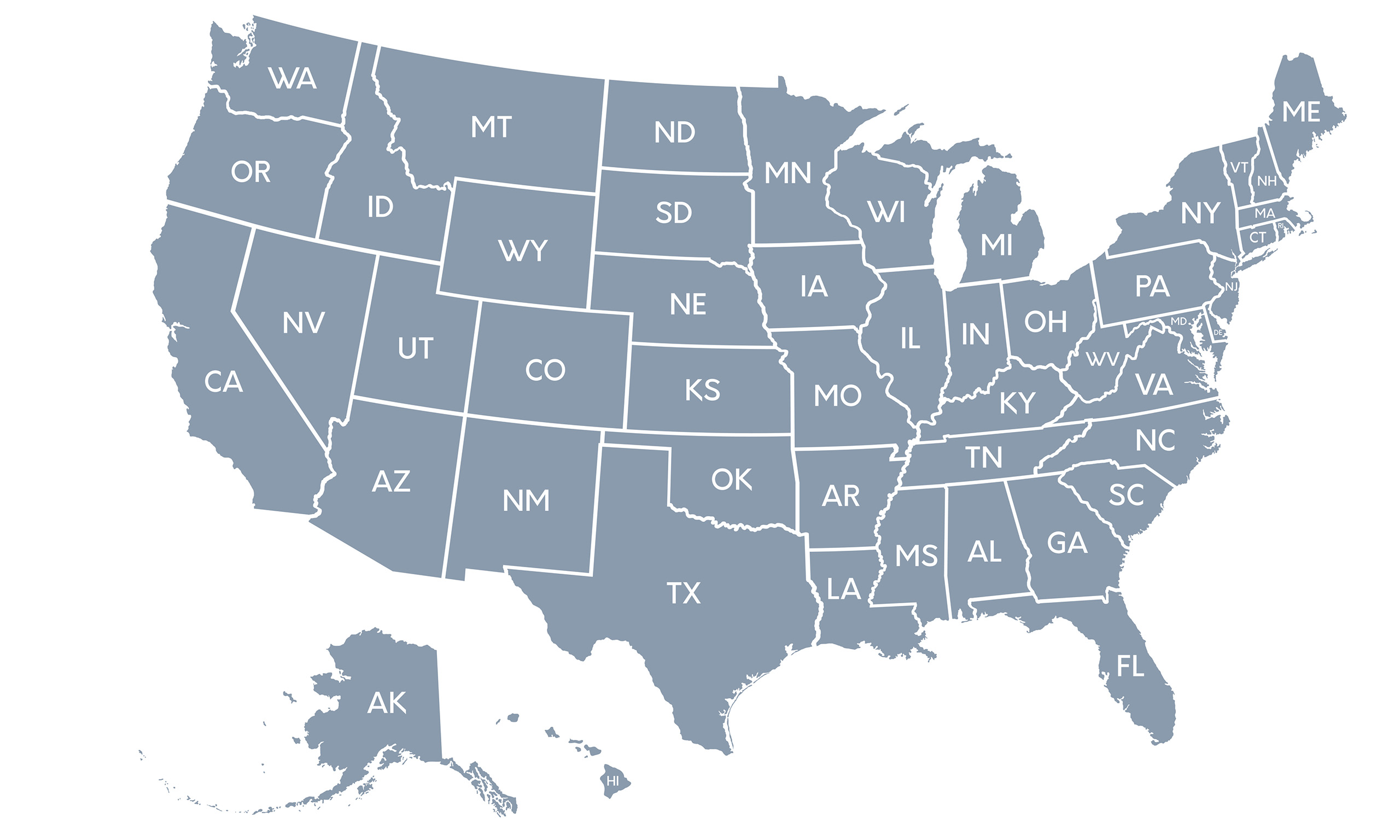
Why multi-state product renewals are no longer a back-office task
State renewals have outgrown their traditional role as a routine administrative or “back-burner” responsibility. The combination of increasing product volumes and state-by-state regulatory nuance has fundamentally changed the nature of the task.
Each state operates with its own deadlines, requirements, and submission processes, requiring a level of coordination and regulatory awareness that is difficult to sustain without a structured approach.
Today, effective renewal management depends on:
- Coordinated tracking of product-specific deadlines across multiple states
- Detailed understanding of evolving state requirements
- Disciplined execution and follow-through to ensure timely and accurate submissions
In response, companies are increasingly treating renewals as a dedicated function, either through internal specialization or by partnering with external experts.
A well-managed renewal process can deliver:
- Centralized visibility across the full portfolio
- Proactive risk management, reducing missed deadlines and compliance gaps
- Consistency across states, minimizing surprises and rework
As the complexity and scale of renewals have increased, so too have the risks of managing them without a structured approach. However, in some organizations, processes have not yet evolved to match this increased complexity, which can lead to avoidable costs and operational risk.
Renewals are no longer just a regulatory obligation; they are a core operational function that supports uninterrupted market access.
The hidden risks and costs of DIY renewals
Many organizations continue to approach renewals and tonnage reporting as a cost-saving, do-it-yourself activity. However, the full impact of this approach may only become visible when challenges arise.
In practice, managing renewals without a structured system or dedicated expertise can introduce a range of hidden operational and commercial risks, including:
- Last-minute fire drills, driven by missed or poorly tracked deadlines
- Lost sales, when products cannot be sold due to lapses or stop-sale situations
- Staff burnout, as teams are pulled away from higher-value, revenue-generating work
- Rework and inefficiency, including emergency filings and repeated communication with state regulators
- Administrative burden, particularly around payments and reconciliation
While these impacts are not always visible in a budget, they can materially disrupt operations and strain internal resources.
The key takeaway for many organizations is clear – while intended to reduce costs, a DIY approach can introduce inefficiencies, risk, and unplanned business disruption. By contrast, a more structured approach to renewals, supported by appropriate systems, processes, and expertise, can stabilize operations and reduce uncertainty.
A more strategic approach to renewal management
As regulatory complexity continues to grow, organizations are increasingly shifting toward a more proactive and strategic model for managing renewals.
This includes:
- Implementing centralized tracking systems
- Establishing clear ownership and accountability
- Leveraging specialized expertise to navigate state-specific requirements
- Reducing reliance on reactive, deadline-driven workflows
Whether managed internally or supported by an external partner, this approach helps ensure that renewals are completed consistently, efficiently, and without disruption to commercial activities.
How Sagentia Regulatory can help
Sagentia Regulatory supports companies managing multi-state product renewals across pesticides, fertilizers, animal feed, and related product categories.
Our team provides:
- End-to-end renewal management, including tracking, submission, and follow-through
- State-specific regulatory expertise, grounded in day-to-day engagement with regulatory authorities
- Proactive planning, reducing the risk of missed deadlines and last-minute issues
- Streamlined processes, minimizing administrative burden and internal resource strain
By acting as an extension of your team, we help ensure that renewals are managed efficiently, consistently, and without disruption to your business.

What are state product renewals, and why are they required?
State product renewals are annual or periodic requirements that allow regulated products such as pesticides, fertilizers, pet food, and animal feed to remain registered and legally sold within each state. Requirements vary by state and must be completed accurately and on time to maintain market access.
Why are state renewals becoming more complex?
Renewals have become more complex due to expanding product portfolios, evolving regulatory requirements, and significant variation across states in terms of deadlines, processes, and documentation. This increases the need for coordinated tracking and regulatory expertise.
What are the risks of missing a renewal deadline?
Missing a renewal deadline can result in product registration lapses, stop-sale orders, lost revenue, and potential fines. In some cases, reinstating a product registration can be time-consuming and costly.
What are the benefits of using a regulatory partner for state renewals?
Working with a regulatory partner, such as Sagentia Regulatory, can provide:
- Centralized visibility across all products and states
- State-specific expertise, based on direct regulatory engagement
- Proactive planning, reducing last-minute issues
- Streamlined processes, minimizing administrative burden
This approach enables internal teams to focus on higher-value activities while ensuring renewals are managed consistently and efficiently.