California’s pesticide-treated seed proposal and the emerging national framework
June 15, 2026
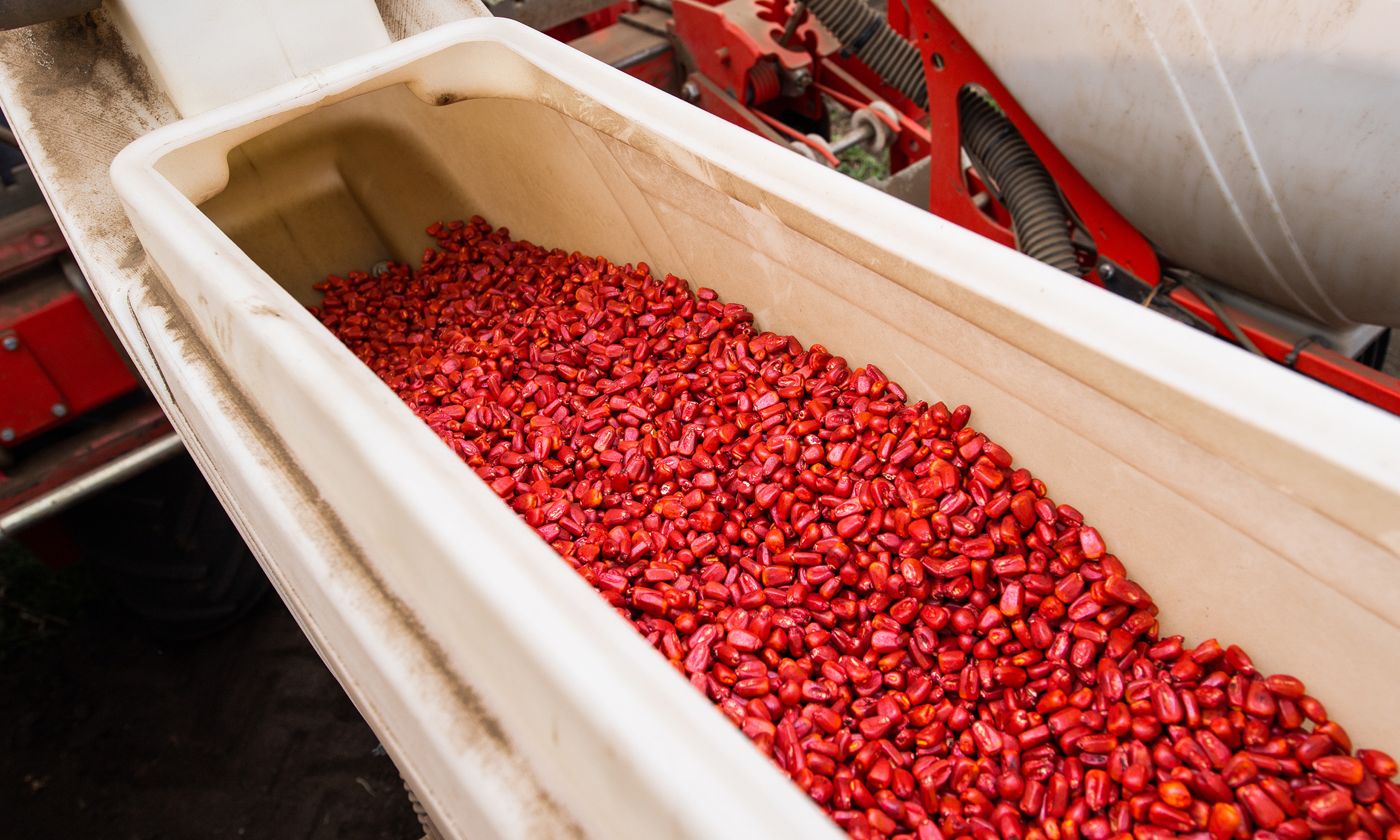
California’s proposed pesticide-treated seed rule is more than a state-specific compliance development. It is an early signal of where treated-seed regulation may be heading nationally.
By formally defining pesticide-treated seed, the California Department of Pesticide Regulation is taking a more structured approach to oversight. The rule would require seed treatments to use pesticides registered in California to maintain exemption from registration and would introduce monthly use reporting. Together, these changes move beyond the traditional treated article framework toward a more traceable, data-driven oversight model.
This matters because it lands squarely in the same policy space the US Environmental Protection Agency (EPA) opened in its Advanced Notice of Proposed Rulemaking and echoes concerns state regulators have been raising through SFIREG about visibility, enforceability, and consistency in treated-seed oversight.
What is changing in California’s pesticide-treated seed regulation
Historically, California has agreed with the US EPA that seeds treated with pesticides are exempt from registration under the Treated Articles Policy. DPR’s proposal, released May 15, 2026, would expressly define pesticide-treated seed under California law, clarify when treated seed is exempt from state registration, and require monthly reporting of treated seed planted in the state. The key policy move is not that California is treating seed itself as a separately registered pesticide product, but that it is narrowing the conditions for exemption and demanding routine use data. In practical terms, this creates a California-specific compliance overlay for seed treatments and establishes a mechanism for the state to evaluate use patterns, potential exposure concerns, and future restrictions with far greater granularity than has historically existed under the federal treated article exemption alone.
How this fits with EPA’s ANPRM
In 2023, EPA issued an Advanced Notice of Proposed Rulemaking (ANPRM) seeking public comment on further regulation of pesticide-treated seeds. EPA sought input on whether additional regulation of pesticide-treated seed is warranted, particularly around storage, planting, disposal, labeling clarity, enforceability, and tracking. California’s proposal can be read as a concrete state-level answer to those questions. While EPA is still evaluating comments, California is building a reporting framework. Where EPA acknowledged concerns about whether treated-seed instructions are sufficiently clear and enforceable, California is creating a system that gives regulators more direct visibility into what is being planted, with what treatment, and in what quantities. In that respect, California is not operating outside the federal conversation; it is operationalizing it.
How this fits with the SFIREG issue paper
The proposal also aligns with the core themes that have surfaced in the SFIREG issue paper discussion: states need greater clarity regarding regulatory status, stronger tools to address use conditions that are difficult to enforce under the current treated article construct, and better access to data on distribution and use. State lead agencies view treated seed as an awkward regulatory space and believe more information on exposure and use is needed, although industry does not necessarily agree with that premise. California’s reporting and exemption framework responds directly to that tension. It gives the state a clearer legal structure while creating a template other states may view as a model if federal action remains slow or limited.
Why California’s treated seed proposal matters for US regulatory strategy
California’s rule is open for public comment through June 29, 2026, and it is important for industry to participate. Comments should not only state a company’s position on the proposal, but also suggest practical alternatives that would give California the information it seeks while minimizing regulatory burden on industry.
For registrants, seed companies, distributors, and downstream agricultural stakeholders, California’s move raises the stakes well beyond one state. If adopted, the rule will test what it means to harmonize treated-seed oversight with FIFRA while still imposing state-specific reporting and use requirements. It also increases the likelihood that other states will press for similar tools or that EPA will face renewed pressure to move from information gathering to policy action. The immediate challenge for industry is to avoid treating California’s proposal as an isolated development. It is better understood as the leading edge of a broader regulatory shift toward accountability, traceability, and more explicit oversight of treated seed use.
Sagentia Regulatory support for pesticide-treated seed compliance and engagement
Sagentia Regulatory is helping companies stay ahead of this rapidly evolving issue, monitoring California developments, tracking parallel activity at EPA and through SFIREG, and translating those signals into practical regulatory strategy before obligations harden into requirements.
We can also support comment development and stakeholder engagement in a discreet, blinded manner for companies that want their perspective advanced without drawing unnecessary state attention to their business, products, or market position. That combination of horizon scanning, strategic analysis, and confidential advocacy can help companies influence the discussion while minimizing unnecessary regulatory spotlight.

Conventional pesticides and biopesticides registration services (FIFRA)

US State registration and renewals support services
Read more of our advisories and insights

August 11, 2026
US EPA pesticide registration requirements: Avoiding CSF errors and submission delays

June 24, 2026
Why an EPA pesticide registration scoping document can save time, cost, and rework
June 15, 2026
California’s pesticide-treated seed proposal and the emerging national framework