
From science to compliance: Dr Samantha Walker on navigating BPR challenges
October 26, 2026
The EU’s review of ethanol and other active substances under the Biocidal Products Regulation (BPR) continues to create significant regulatory and commercial challenges for industry. While the European Chemical Agency’s Biocidal Products Committee (BPC) has now adopted an opinion supporting the approval of ethanol for key biocidal uses, uncertainty remains around the wider regulatory landscape and its implications for industry.
Dr Samantha Walker, Head of Biocides and Cosmetics at Sagentia Regulatory, has seen the challenges from all sides. With a PhD in environmental risk assessment and previous experience managing BPR authorisations for a global manufacturer of biocidal products, she brings a balanced and pragmatic mindset. In this Q&A, she shares her views on how industry can drive progress in uncertain times.

What makes the EU biocides landscape so challenging?
The industry is facing a perfect storm of regulatory and commercial pressure. The EU’s active substance review programme is still only about halfway complete, and, while it is positive that the European Commission has now extended the data protection period for existing substances to December 2030, aligning it with the revised end date of the review programme, this alignment does not remove uncertainty. Given the programme’s slow historical progress, there has long been persistent doubt as to whether completion by 2030 is realistically achievable. As a result, companies are planning against an extended timeline that remains uncertain in practice, complicating investment decisions and long‑term compliance strategies.
Data protection was introduced under the BPR’s Article 95, which sets out rules for the approved supply of active substances. Its purpose was to ensure companies contributing to the cost of substance evaluations could share the expense fairly. Although the recent extension preserves data protection for longer, it postpones rather than resolves the underlying commercial challenge. Once data protection ultimately expires, the data supporting an active substance may be relied upon by any supplier, including those that have not invested in generating it.
Data generation is expensive, and companies that invest in it may not recoup their costs if others are free to use the same data for their own commercial activities. As new and more complex requirements emerge – such as endocrine disruption studies – the commercial justification for further investment becomes increasingly difficult. If tests to demonstrate safety and efficacy are not commercially viable, key active substances could disappear from the market.
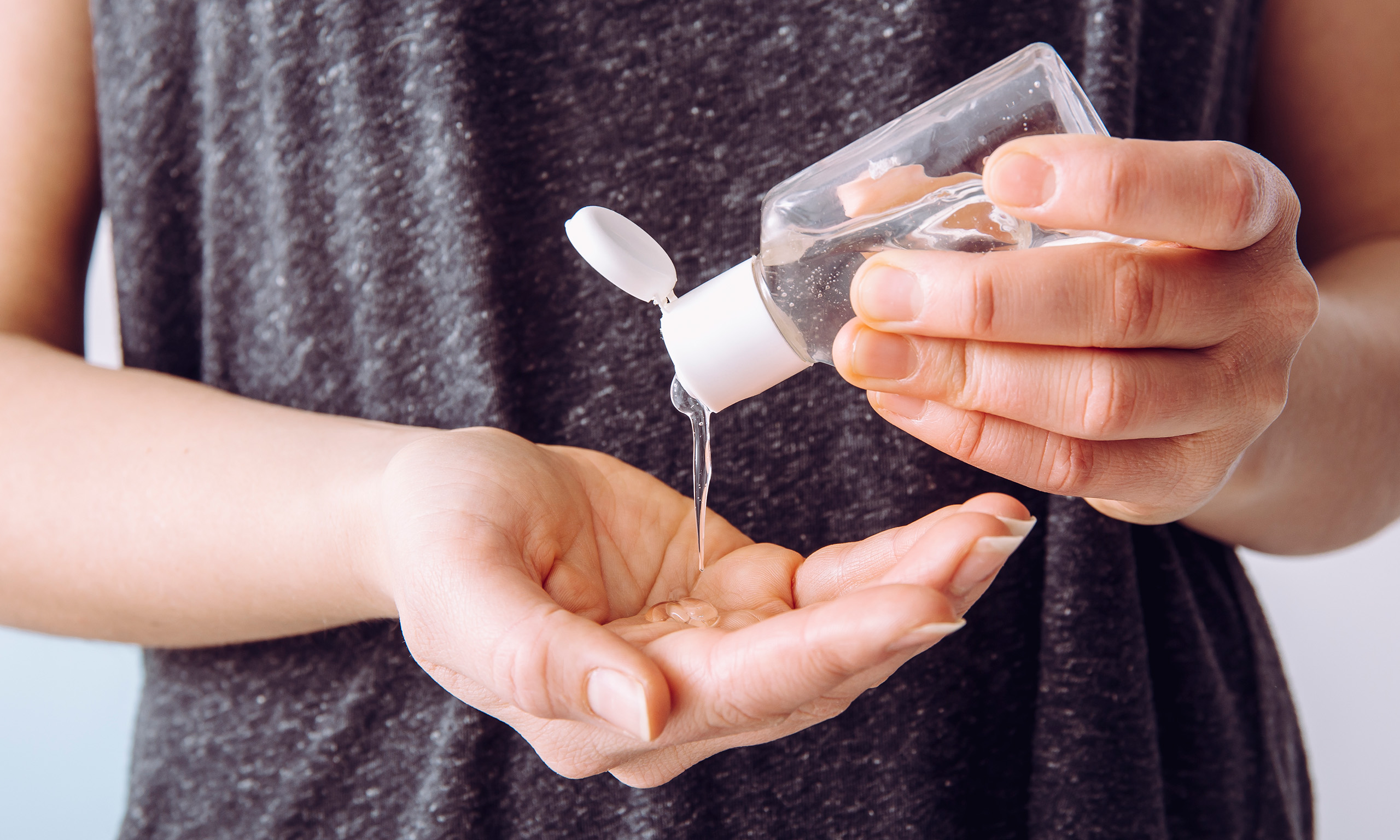
Ethanol illustrates both what is at stake and the complexity of the regulatory process. While the BPC has now adopted an opinion supporting the approval of ethanol for several key biocidal uses, the lengthy review has highlighted the challenges industry faces when regulatory decisions take many years to reach a conclusion. For companies investing in data generation, product development and long-term portfolio planning, regulatory uncertainty remains a significant commercial concern.
Together, these factors make this a profoundly difficult period for the biocides sector.
How does your scientific background help you guide clients through regulatory complexity?
My academic background in microbiology and environmental risk assessment gives me a deep understanding of how efficacy is demonstrated, how risks are characterised, and how scientific data should be interpreted in a regulatory context.
Before joining Sagentia Regulatory, I worked as an environmental toxicologist for a global FMCG company where I managed large projects for biocidal product families. That experience taught me the importance of tenacity and self-sufficiency. In a large organisation it can be difficult to track down the scientific information needed to support decision making and dossier preparation. I also learnt the value of rationalising product families to strike a commercially-sound balance between market differentiation and regulatory obligations.
Why is the rationalisation of biocidal product families so important?
Biocidal product families can become very complex. Slight variations – in active inclusion level, uses, packaging type, fragrances, colours, suppliers – all add to the regulatory burden. The workload grows almost exponentially with each new variant, bringing more data to generate, more scenarios to assess, and more points for authorities to scrutinise.
As I explain to my clients, a biocidal product family is only as strong as its weakest products from a regulatory standpoint. Assessors focus on the worst case for efficacy and the worst case for safety, so variants that don’t perform well impact the entire family.
Rationalisation encourages companies to take a step back and look at their portfolio holistically. It helps identify which variants add the greatest value, enabling the creation of product families that are both compliant and commercially advantageous. Having fewer variants reduces the risk of setbacks during regulatory assessment, and ensures resources are focused on products with the strongest overall market potential.
What challenges do companies face when preparing dossiers or generating data for biocidal products?
Having worked in industry myself, I have first-hand experience of the challenges our clients face when preparing dossiers or generating data.
In large companies, data might be held across multiple teams, making it difficult to see the full picture. There may also be limited visibility of product changes driven by suppliers, packaging developments, marketing decisions and other factors. Naturally, clients often want to make maximum use of their existing data, but this often results in a patchwork of information.
Navigating this requires early gap analysis and strategic planning, since timelines for regulatory assessments or evolving obligations (such as new labelling requirements) are often tight.
My industry background helps me understand what clients can feasibly achieve, how long things really take, and the commercial pressures that sit alongside regulatory ones. I help them identify practical, science-based solutions that meet regulatory expectations while supporting broader business priorities.
Do you have any advice for the biocides industry?
There’s no escaping the fact that this is a tough time for the biocides sector. Many companies are unsure how to manage their portfolios when so many active substances are still under review or renewal.
One major challenge is a lack of clear communication, both within industry and between applicants and authorities. For example, companies need to generate high-quality data to support authorisations but often struggle to understand whether a proposed study design will meet regulatory expectations. Without that clarity, it is difficult to plan and invest with confidence.
Greater collaboration between companies could make a real difference. Industry groups can make a powerful impact when they align early, share insights, and take a coordinated approach to data generation and advocacy. The industry’s response to the ethanol review demonstrates that even direct competitors can come together when it matters.
I’d love to see the biocides sector become more communicative, collaborative, and proactive about protecting its future in a safe and sustainable way. Industry experts have the knowledge to help regulators make well-informed, proportionate decisions about biocidal products and the active substances they are based on.
How Sagentia Regulatory aids biocidal product strategies
Under Samantha’s leadership, our biocides team helps clients make confident business decisions in this shifting regulatory landscape. We support any and every stage of the regulatory process, from early gap analysis and data strategy through to product family rationalisation, dossier preparation, and post-submission support. As the sector faces uncertainty around the future of key active substances, we provide clear and pragmatic guidance.
EU BPR insights

Biocides regulatory consultants for EU BPR and GB BPR
Strategic regulatory support for biocidal products, active substances and Article 95 compliance

Plan ahead for your EU BPR ethanol dossiers (PT 1, 2 & 4)
March 30, 2026
The EU ethanol situation: what hand sanitiser manufacturers need to know
December 18, 2025