On the journey to parenthood, infertility is one of the most distressing challenges prospective parents can face. While there are more options available for fertility treatments today, including in vitro fertilisation (IVF), success rates remain frustratingly low. At 25-30% success per IVF cycle, many women must undergo multiple painful and expensive treatment cycles u2013 and there is no pregnancy guarantee. Recent advances in technology u2013 including genetic testing, imaging techniques, and artificial intelligence (AI) u2013 are now emerging, offering a ray of hope. However, in order to be successful, new solutions must be designed to address the needs of all stakeholders, including the prospective parents, and the busy embryologist.
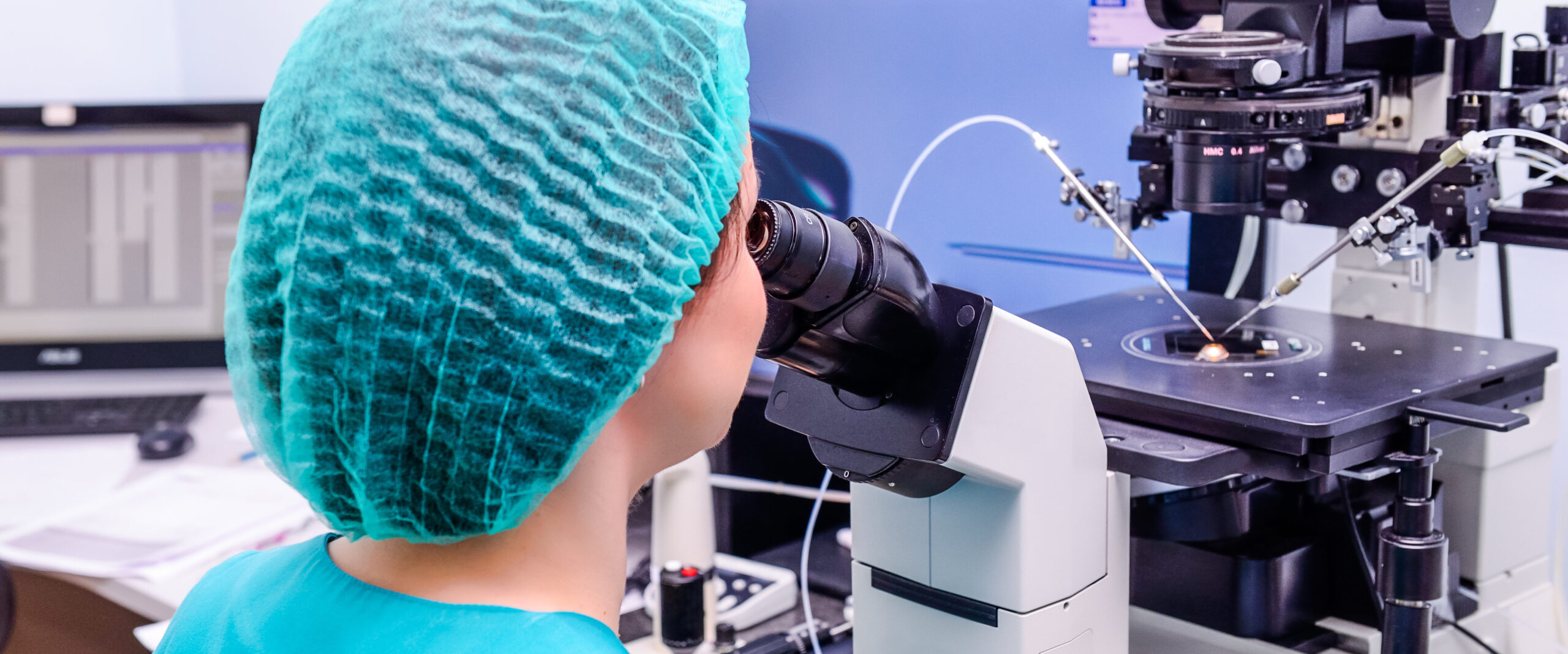
Improving fertility outcomes through IVF innovation
What are the causes of infertility?
Infertility affects around 48.5 million couples worldwide. Infertility is defined by the World Health Organization as a disease of the reproductive system characterised by the failure to achieve a clinical pregnancy after twelve months or more of regular unprotected sexual intercourse. The rising age of first-time mothers is just one component of the complex picture driving these trends.
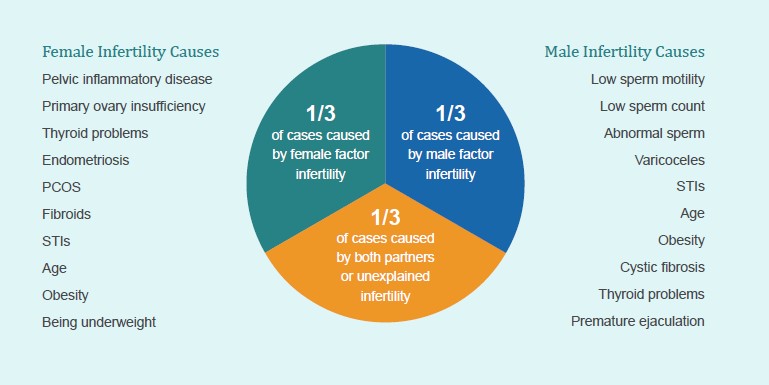
Myriad factors may affect our ability to reproduce. Some medical issues have the potential to be addressed through surgical intervention, such as blockages in the fallopian tubes, or scarring within the uterus. Others, such as polycystic ovary syndrome (PCOS), may require treatment using assisted reproduction technology (ART). Unfortunately, establishing the root cause of infertility is not always easy. One third of cases can be caused by male factor infertility, one third by female factor infertility, and one third by issues with both partners or by unexplained infertility. Environmental, lifestyle, and social factors can also be at play, and can be harder to mitigate.
This white paper discusses:
- Assisted Reproductive Technology (ART)
- Key considerations for prospective parents
- The IVF journey
- Exciting areas for IVF innovation
- The future of IVF
Read more of our insights
Insight
September 14, 2026
How modelling improves the design of energy-based surgical and interventional devices

Insight
August 18, 2026
The highs and lows of turbidimetry and nephelometry for point of care immunoassays


Insight
June 29, 2026
Continuous biomarker monitoring: the next evolution in connected diagnostics