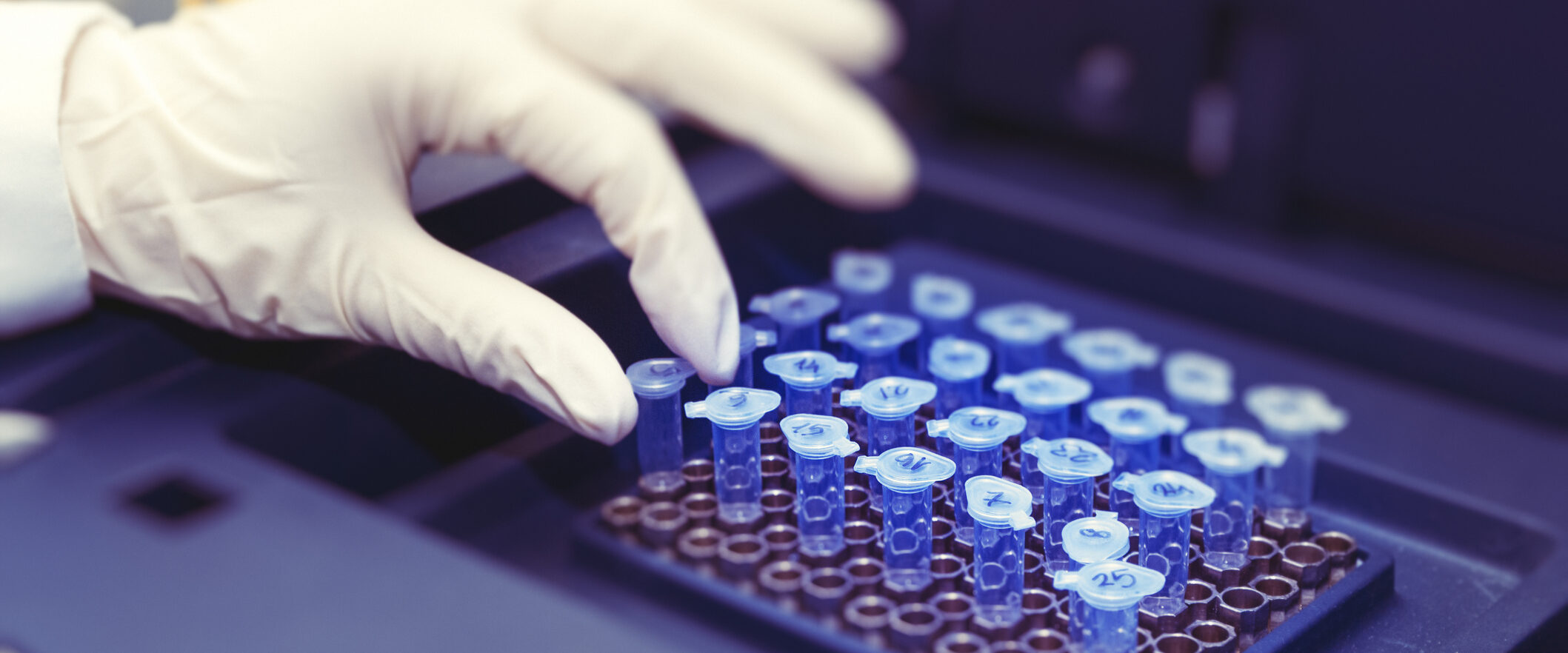
The highs and lows of turbidimetry and nephelometry for point of care immunoassays
Author: Nick Collier, Chief Technology Officer
Particle-enhanced optical immunoassays, including turbidimetry and nephelometry, remain attractive because they can provide rapid, homogeneous assay formats with relatively simple workflows. Turbidimetry offers the simplest optical implementation, while nephelometry can provide a more direct measurement of scattered light and may offer advantages where sensitivity, precision or background rejection are limiting.
In this article, Nick Collier, CTO Sagentia Medical, assesses those limits and suggests how they might be addressed.
Fill out the form to download the white paper
The highs and lows of turbidimetry and nephelometry for point of care immunoassays
"*" indicates required fields
Read more of our insights and case studies
September 14, 2026
How modelling improves the design of energy-based surgical and interventional devices

August 18, 2026
The highs and lows of turbidimetry and nephelometry for point of care immunoassays