
The EU ethanol situation: what hand sanitiser manufacturers need to know
December 18, 2025
As ethanol’s evaluation under the EU’s active substance review programme continues, the future of ethanol-based hand sanitisers is unclear. Dr Samantha Walker, Head of Biocides and Cosmetics at Sagentia Regulatory, sheds light on the situation and advises on how to respond during this period of regulatory uncertainty.

The European Chemicals Agency (ECHA) Biocidal Products Committee (BPC) has postponed its opinion on ethanol. Discussions on ethanol’s approval as a biocidal active substance with carcinogenic, mutagenic, or toxic for reproduction (CMR) classification, as per the BPC Working Group proposal, will continue into 2026.
Why is this relevant to hand sanitisers?
BPC approval of ethanol as a biocidal active substance with CMR classification could bring significant repercussions for hand sanitiser manufacturers.
The BPC opinion will inform the European Commission’s final decision on ethanol’s classification under the Biocidal Products Regulation (BPR). If ethanol is assigned CMR status, the classification will form part of its approval as an active substance under BPR. In turn, this could impact ethanol’s status under the Classification, Labelling, and Packaging (CLP) Regulation which is scheduled for review in December 2026.
CMR classification results in a de facto ban on the use of a substance in consumer-use biocidal products. Professional or industrial use cases are also affected, and must be authorised by derogation on a country-by-country basis. So, CMR classification could prevent consumer-use hand sanitiser products which contain ethanol being placed on the EU market. Those intended for use in hospitals and other healthcare or work environments would not face a de facto ban, but could have a more complex and onerous regulatory journey.
There is a lot of uncertainty over what will happen next. Some stakeholders believe that ethanol will not be assigned CMR status under BPR. This is partly because the original BPC Working Group proposal to classify ethanol as a CMR substance relates to data surrounding the hazards of oral consumption, not dermal application.
New data with direct relevance to use cases involving dermal or surface application of ethanol is currently being generated ahead of the 2026 CLP regulatory review. It’s worth noting that the CLP decision will take precedence over any classification assigned under BPR. So, in another 12 months the situation could become much clearer.
Meanwhile, it’s important to prepare for a future where ethanol may be more tightly regulated. That means taking practical steps, such as evaluating hand sanitiser products that contain ethanol, identifying data gaps, and devising a strategy that can adapt to any outcome.
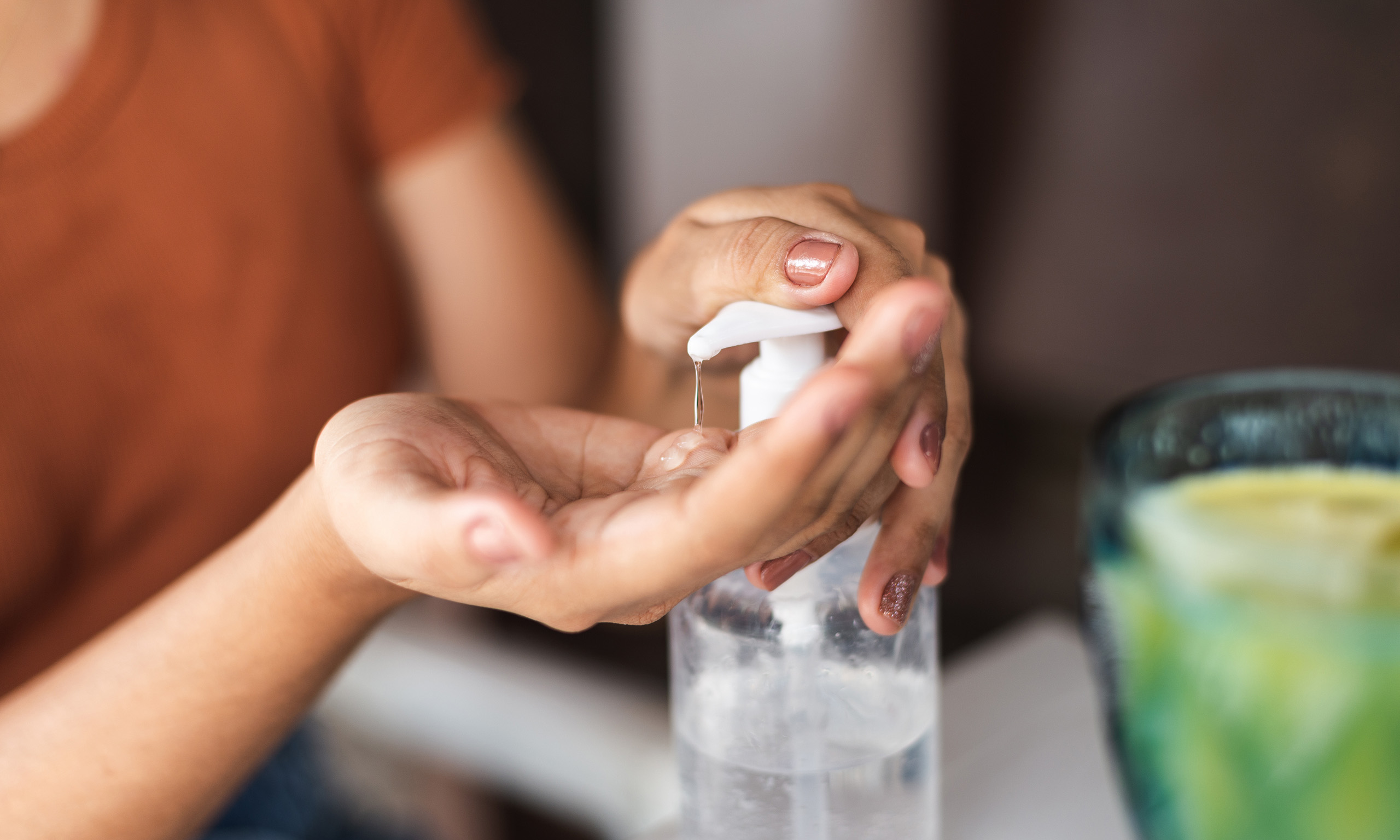
How ethanol-based hand sanitiser manufacturers can stay ahead of regulatory developments
At present, ethanol has a harmonised classification under the CLP Regulation as a highly flammable liquid and vapour. Ethanol-based biocidal products for human hygiene use cases – such as hand sanitisers – can be placed on the EU market under transitional national legislation. This means manufacturers must comply with the individual rules of each Member State where a product is sold. EU-wide product authorisation under BPR is not required while ethanol remains under review as an active substance.
If ethanol is classified as a CMR substance, market access and regulatory obligations will change. It’s a good idea to take stock of hand sanitiser products, data, suppliers, and documentation, to enable a swift and confident response once the long-term EU position becomes clear. We recommend taking the following steps.
1. Evaluate your hand sanitiser product portfolio
Start by mapping all hand sanitiser products that contain ethanol. Record key details such as ethanol concentration, formulation type (liquid, gel, foam), intended BPR product type, claims and target organisms, shelf-life, and intended user groups (industrial, professional, or consumer). Note how each product is applied, i.e., by pouring, spraying, pumping, or wiping, and the expected frequency of use.
Capturing additional information, such as the number of fragrance or dye variants, and segmenting the portfolio into product families is also a good idea. This ensures the business has a complete picture of how many formulations could be affected by future regulatory change. It also provides a robust framework for analysing costs associated with compliance as well as facilitating portfolio rationalisation.
2. Review efficacy and active substance sourcing
Check that all your ethanol suppliers are listed on ECHA’s Article 95 list for the human hygiene product type. This is already mandatory. It confirms that the substance originates from a recognised source compliant with BPR data-sharing requirements, and it will be essential for continued market access. Where necessary, start technical equivalence applications to ensure the specification of your ethanol source is compliant.
Efficacy data should also be reviewed to confirm that it fully supports product claims. Ensure that claimed activity against relevant target organisms, such as bacteria and viruses, can be clearly demonstrated in line with current EU standards. It’s also advisable to identify and assess any additional biocidal active substances or co-formulants that contribute to efficacy in formulations, as their presence requires additional assessment. This is especially true for co-formulants that are designated substances of concern under the BPR.
3. Audit technical documentation and data
Maintaining strong technical documentation will enable a smooth transition if the EU approves ethanol under BPR. Ethanol-based hand sanitiser products will have to be authorised at the EU level, and labels and safety data sheets included with product submissions will need to be updated to reflect new requirements.
Review existing records for each product in readiness for this, noting the concentration of ethanol. Check that any studies for physical hazards, such as explosivity, flammability and corrosiveness to metals are complete and up to date.
It’s also important to revisit any data for toxicological and ecotoxicological properties – you can contact your suppliers in the interim before the final assessment report is published.
Robust, well organised documentation and data will make it easier to respond to evolving regulatory obligations, or to prepare BPR dossiers if required.
4. Assess packaging and labelling
Product packaging and labelling should already be aligned with existing CLP requirements. However, it is worth conducting a review of products’ claims, instructions, and safety guidance. Collating this information now will make it easier to adapt to any new classification, storage, or hazard communication requirements that emerge.
Key information to record includes the intended use area (indoors, outdoors, or both) and the claimed shelf-life for each product. Review pack sizes and packaging materials to ensure they are appropriate for the intended use and compatible with highly flammable formulations. Also verify that product labels and safety data sheets are accurate, consistent, and up to date.
5. Plan for potential substitution or derogation
If ethanol is assigned CMR classification, consumer-use hand sanitiser products containing it will face a de facto ban. In this situation, manufacturers would need to substitute ethanol with an alternative active substance or remove their products from the EU market. See our recent Insight which considers the substitution of ethanol in hand sanitisers. Products for industrial or professional use cases would have to be authorised by derogation. This means manufacturers would have to prove that their products play an essential role in human or animal health, and that no suitable alternatives to ethanol are available.
Now is the time to identify which products would be most affected by these outcomes, and to assess their technical and commercial flexibility. Exploring alternative active ingredients or co-formulants with comparable efficacy and lower regulatory risk is highly recommended. It’s also advisable to gather data which could support human or animal health justifications if derogation becomes necessary.
How Sagentia Regulatory can help
These are uncertain times for ethanol-based hand sanitiser manufacturers operating in the EU market. However, Sagentia Regulatory’s biocides team can provide strategic advice and support to help you take decisive action. This includes impact assessment of CMR classification on your product portfolio, building and rationalising product families, and defining efficacy studies needed to support product claims. We can also prepare and submit product authorisation dossiers, including the production of detailed risk assessments for human health and environmental exposure.